2027 ARSL Candidate Statements
Select a candidate name to jump directly to their statement.
Vice President/President-Elect
Tanner Ames
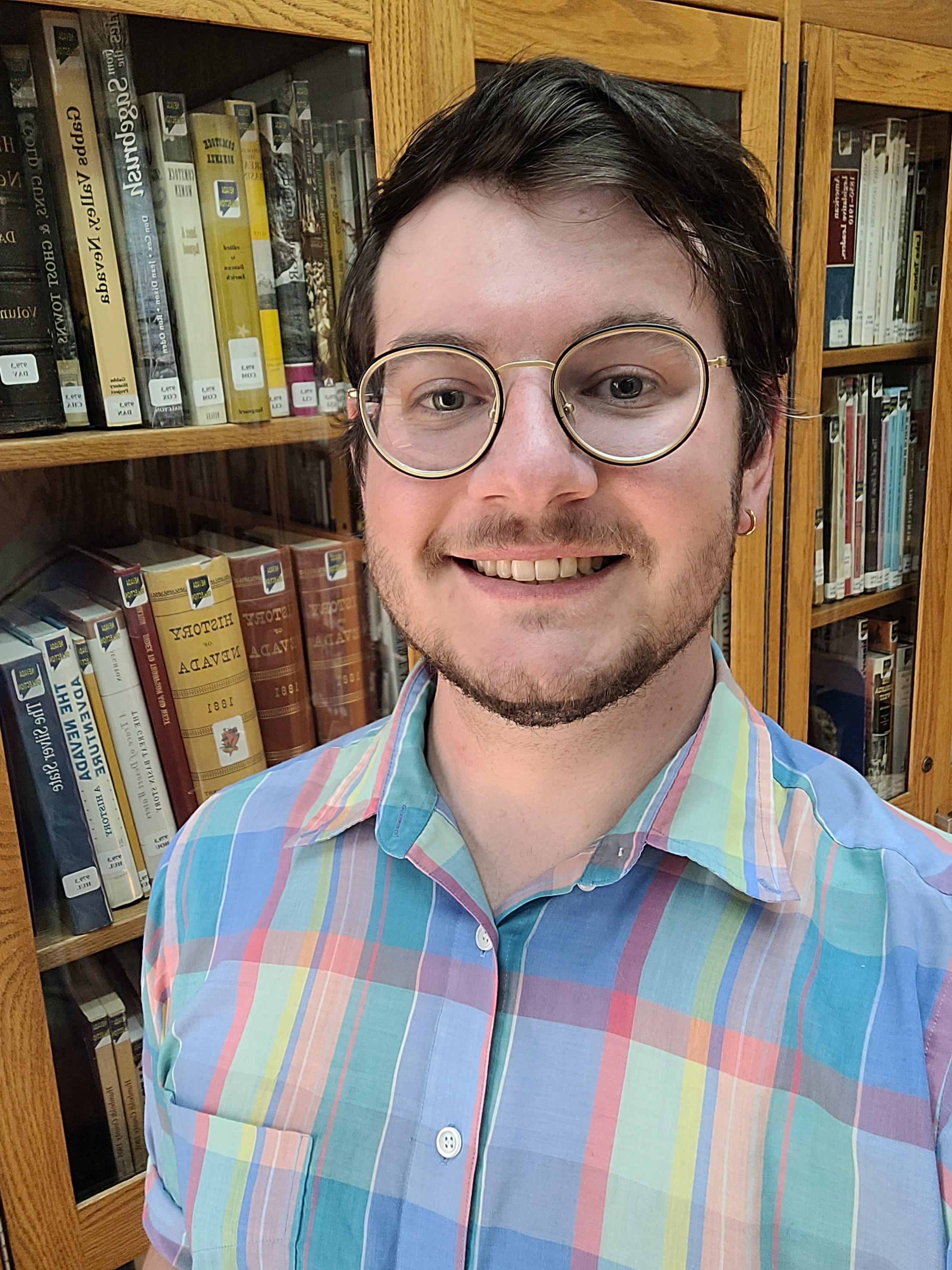 Senior Library Technician, Humboldt County Library, Winnemucca, NV Senior Library Technician, Humboldt County Library, Winnemucca, NV
Contact via email at tanner [dot] ames [at] humboldtcountynv [dot] gov
What is it about ARSL's mission, vision, and/or organizational values that makes you want to run for a Board position?
My library has been my home-away-from-home since I was a child. I know that many others that feel the same, both at my own library and all throughout the world. I want to continue offering libraries as safe spaces. I appreciate ARSL’s diligence in providing training opportunities and committing themselves to advocate for the rights of librarians and readers everywhere. Ensuring that library staff are properly trained provides libraries with competent staff ready to assist. This is especially important in the case of accidental librarians, who may not be prepared for what lays in the librarian profession.
Prior to running for this election, how have you engaged with ARSL?
For the past 3 years, I have assisted ARSL on the conference planning committee as the Promotions co-coordinator. I was also lucky enough to find a home in the Leadership Institute with many amazing and talented library leaders. This year also marks my first year as a facilitator in the Youth and Teen Services networking group. Asides from these, I have attended the last 5 in person ARSL conferences, making Montgomery my 6th.
How has your experience working in rural or small libraries prepared you to serve as a leader of ARSL?
In rural areas, librarians (and other community members) end up wearing more hats than those in more urban areas. I have been the founder and director of many service groups in my community, such as the Winnemucca Leo’s Club, the Winnemucca Word Weavers, and the Northern Nevada Arts Council. These are all groups that I have become a part of because of my job at the library. I am also the supervisor to 3 lovely staff members at my library. Each year, attending ARSL’s annual conference has allowed me to add new tools to my leadership belt. The leadership cohort led by Kathy Zapitello also helped me progress greatly on my path. I want to be the best leader for my own community, and I would be more than grateful to extend that community to others under the ARSL umbrella.
Please describe your leadership experience outside of ARSL. How have these roles prepared you for this position?
In my many director roles in community organizations, I have worked with all ages from teens (13+) to 75 year olds. Each generation has a different perspective and each individual expects to be treated differently, and as a leader, I learn from each to attempt to lead in the most effective way for each. With how many different personalities I have met I feel confident that I can guide strong personalities. I believe in each voice being heard as banding together is the best way to overcome adversity.
ARSL is dedicated to promoting inclusion, diversity, equity, and accessibility (IDEA) within the profession and our communities. How do you see yourself contributing to those goals as an organizational leader?
As I have said, I believe in each voice being heard. However, hearing voices without making any changes leads to a loss of trust. I would love to be the mouthpiece for those who feel they cannot speak. I want to amplify the voices of those who are not heard. I understand my privileges and would like to utilize them to uplift those who do not share them. In the presidency, I would like to take special care to band together with the numerous networking groups to ensure that the presidency and ARSL as an organization are aware of any needs or wants. If changes are unable to be made, I would ensure direct communication, so nobody is left wondering.
Aside from what you've listed above, are there any beneficial skills or experience that you would bring to the position?
This last year, I obtained my MLIS degree. So, I now have experience as a library worker without a degree, and one with a degree. I would be happy to help others decide if that choice is right for them. I fully believe that many libraries can function (and function well) without a degreed librarian, however I have some experiences from class that helped me to add new programming ideas or gain understandings that benefit my library. As for beneficial skills, I can confidently applaud myself for my networking skills. I am always happy to meet new people, share ideas, and help wherever I can. As a library assistant, I started my collection of library cards from around the world and was quickly able to get cards from each 50 states, and 4 other countries. My collection has grown larger, and with it, my knowledge of how other libraries work, and what programs and collections work well for them. I have been able to take ideas and resources that I have learned of and share with others who may not have had the opportunity to find that information.
Can you tell us a few things about yourself outside of your work life?
Outside of the library, I enjoy the arts. After a 4-year hiatus, I am back playing woodwind instruments. I have a few instruments that I enjoy playing and “busking” for small events. I am a crafter who enjoys paper mache and collaging. As a local history buff, I like digitizing historical documents and pictures. I love the performing arts and direct and act in our local theater group and sing in our community choir. When I get out of my community, I like to hike and camp and get very sun burnt. At home, I have a handful of cats who are great company, and I volunteer to assist in cat rescue in our local TNR group. I was born and raised in my small town and have likely spent more time in my library than in any other building.
↑ Back to Vice President/President-Elect
Victoria Blackmer
 Library Director, Robert R. Jones Pubic Library District, Coal Valley, IL Library Director, Robert R. Jones Pubic Library District, Coal Valley, IL
Contact via email at vblackmer [at] robertrjoneslibrary [dot] org
What is it about ARSL's mission, vision, and/or organizational values that makes you want to run for a Board position?
ARSL's mission, vision, and values closely reflect both my professional experience and my passion for rural librarianship. Throughout my career, I have seen firsthand the vital role small and rural libraries play as community anchors, providing access to information, technology, lifelong learning, and meaningful connections. ARSL's commitment to elevating the impact of rural and small libraries resonates deeply with me because these institutions often accomplish extraordinary work with limited resources.I am particularly drawn to ARSL's values of accessibility, collaboration, responsive service, and professionalism. In my own library, I have focused on building community partnerships, expanding access to programs and services, and creating opportunities that meet the evolving needs of our residents. I believe these same principles are essential to strengthening ARSL and supporting its members.I am seeking a Board position because I want to help ensure that rural and small libraries have a strong voice, meaningful professional development opportunities, and a supportive network of peers. ARSL has been an invaluable resource throughout my career, and I would welcome the opportunity to contribute to the organization's continued growth, sustainability, and advocacy efforts on behalf of libraries and the communities they serve.
Prior to running for this election, how have you engaged with ARSL?
My engagement with ARSL has included both volunteer leadership and professional development experiences that have significantly shaped my career. From January 2022 through January 2023, I served on the Governance Committee, where I gained valuable insight into the organization's structure, policies, and strategic priorities. This experience strengthened my appreciation for the dedicated volunteers and leaders who help guide ARSL's work on behalf of rural and small libraries.I was also a member of the inaugural Outstanding in Their Field cohort (2021–2022), an 18-month leadership institute designed to support emerging leaders in rural and small libraries. Through its curriculum, mentorship opportunities, and focus on library values, diversity, equity, inclusion, and accessibility, the program helped me develop as a library director and community leader. The relationships I built with fellow participants and mentors continue to influence my work today.In addition to these formal roles, I have remained actively engaged as an ARSL member through conferences, professional development opportunities, and networking with colleagues across North America. ARSL has provided me with a supportive professional community, and I am eager to give back by serving in a leadership role and helping shape the organization's future.
How has your experience working in rural or small libraries prepared you to serve as a leader of ARSL?
Working in a small rural public library has given me firsthand experience with both the opportunities and challenges that ARSL members navigate every day. Like many rural library leaders, I wear multiple hats; overseeing operations, budgeting, personnel, strategic planning, facilities, community engagement, fundraising, and public service. This broad perspective has helped me develop practical problem-solving skills, adaptability, and a deep understanding of the realities facing small and rural libraries.Throughout my career, I have focused on building strong community partnerships, expanding access to technology and lifelong learning opportunities, and creating innovative programs that respond to local needs. I have also led strategic planning efforts, managed organizational change, advocated for library services, and worked to ensure that limited resources have the greatest possible impact on the communities we serve.Perhaps most importantly, working in a rural library has reinforced the importance of collaboration and peer support. Rural library professionals are resourceful, resilient, and deeply connected to their communities. I believe these experiences align closely with ARSL's mission and values and have prepared me to represent members thoughtfully, contribute to strategic decision-making, and help advance ARSL's goals of sustainability, membership engagement, and advocacy.
Please describe your leadership experience outside of ARSL. How have these roles prepared you for this position?
My leadership experience extends across local, state, and national library organizations, nonprofit boards, and community service initiatives. Through committee and leadership roles with the American Library Association, Public Library Association, Illinois Library Association, RAILS, PrairieCat, and other organizations, I have contributed to advocacy, governance, strategic planning, technology initiatives, professional development, equity and inclusion efforts, membership engagement, and conference planning.Several of these roles have provided direct experience relevant to ARSL Board service. As Treasurer of PrairieCat's Administrative Council and President of the Board of Directors for New Kingdom Trailriders, a non-profit therapeutic horseback riding facility, I have participated in budget oversight, policy development, strategic decision-making, fundraising, and organizational sustainability efforts. My service on governance, advocacy, and technology-focused committees has strengthened my ability to evaluate complex issues, build consensus, and support organizations through change.These experiences have also reinforced the importance of collaboration, accountability, and responsive leadership; values that closely align with ARSL's mission and strategic goals. Working with diverse stakeholders across multiple organizations has prepared me to listen thoughtfully, represent member interests, and help guide ARSL as it continues to grow, advocate for rural and small libraries, and provide meaningful value to its members.
ARSL is dedicated to promoting inclusion, diversity, equity, and accessibility (IDEA) within the profession and our communities. How do you see yourself contributing to those goals as an organizational leader?
I believe inclusion, diversity, equity, and accessibility are essential to ensuring that libraries and professional organizations effectively serve their communities. As a library director, I have worked to create welcoming spaces, expand access to programs and services, reduce barriers to participation, and build partnerships that help reach underserved populations. I view IDEA work not as a separate initiative, but as a lens through which organizational decisions should be evaluated.My participation in ARSL's Outstanding in Their Field leadership program, service on the RAILS EDI Committee, and involvement in scholarship and leadership development initiatives have reinforced the importance of listening to diverse perspectives and creating opportunities for meaningful engagement. These experiences have helped me better understand how organizational policies, programming, and leadership practices can either support or unintentionally limit participation.As an ARSL leader, I would work to ensure that members from a variety of backgrounds, library types, geographic regions, and career stages feel represented, valued, and empowered to contribute. I would support efforts to recruit and develop diverse volunteer leaders, expand accessible professional development opportunities, and foster an organizational culture where all members can learn, connect, and thrive. Stronger representation and broader participation ultimately strengthen both ARSL and the communities our libraries serve.
Aside from what you've listed above, are there any beneficial skills or experience that you would bring to the position?
In addition to my committee, board, and professional service experience, I bring a range of recognized achievements and leadership development opportunities that strengthen my ability to serve effectively on the ARSL Board.I was selected as part of the ALA Emerging Leaders Class of 2020, a competitive national program that provided hands-on experience in collaborative problem-solving, cross-organizational teamwork, and leadership within the library profession. I also participated in the Outstanding in Their Field Leadership Institute, which further deepened my understanding of rural and small library leadership, strategic thinking, and community-centered service.My work has been recognized with honors such as the Illinois Library Association Crosman Memorial Award, which highlights early-career impact and contributions to both the library field and community. I have also been part of award-winning programming efforts, including the ALA LLAMA PR Xchange Award for innovative program design and implementation.In addition, my long-standing mentorship work through Big Brothers Big Sisters has strengthened my ability to build meaningful one-on-one relationships, listen with intention, and support others in achieving their potential.Together, these experiences reflect my commitment to leadership, innovation, collaboration, and service; skills that I would bring to ARSL to support its mission and membership in meaningful and practical ways.
Can you tell us a few things about yourself outside of your work life?
Outside of my professional work in libraries, I am actively involved in community service and enjoy staying connected through a variety of volunteer and engagement opportunities. Mentorship and youth support have been a meaningful part of my life, and while my formal Big Brothers Big Sisters match has since concluded, that experience remains something I value deeply and continue to draw lessons from in my approach to leadership and relationship-building.I also participate in and support local nonprofit and community initiatives focused on education, accessibility, and youth development. I enjoy roles that bring people together, encourage learning, and strengthen community connections in practical and meaningful ways.In addition, I have a strong interest in technology education and enjoy supporting learning opportunities that build confidence and curiosity, particularly in informal and welcoming environments.On a personal level, I enjoy creative projects, reading, and spending time outdoors. These interests provide balance and often influence how I think about programming, engagement, and the importance of accessible, inclusive spaces. I also appreciate opportunities to connect with others in informal settings, whether through community events or shared learning experiences.
↑ Back to Vice President/President-Elect
Tyler Hahn
Director, Cherokee Public Library, Cherokee, IA
Contact via email at hahntylerj [at] gmail [dot] com
What is it about ARSL's mission, vision, and/or organizational values that makes you want to run for a Board position?
ARSL always being here for small and rural libraries is my biggest motivation for running. Admittedly, the last few years have been rough for libraries. I've watched colleagues and friends face real uncertainty about their livelihoods and about the resources their communities depend on. I've had the privilege of learning from the luminaries of our field who have served and currently serve ARSL and beyond, and I want to pay that forward for our next generation of ARSL’s membership.ARSL's vision of recognizing the uniqueness of rural and small libraries, encouraging excellence, and speaking on behalf of this constituency matches the vision I hold for my own library and community. It's helped my library and community flourish even through real adversity, from the worst floods we've ever faced to service cuts forced by legislative pressure on finances. Through all of it, the conviction that small libraries are essential and not optional is what keeps us moving forward. That's the same conviction at ARSL's core. I want to serve as your President so that the recognition, advocacy, and excellence of ARSL stands to reach every rural librarian facing their own hard season.
Prior to running for this election, how have you engaged with ARSL?
I've been an active ARSL member since 2019, and I've held several roles. I started on the Advocacy Committee and later co-chaired it for two years as we launched the Advocacy Resource Center, which is still growing today! I then served two years as your Midwest Board Representative. I chose not to run for a second term when I began my program at Harvard's Graduate School of Education, because I didn't have the time the board's work deserves. I've also served on the Continuing Education Committee and currently sit on the Membership Committee (shameless plug: keep an eye out for our upcoming membership survey!).Beyond committee work, I'm a regular across ARSL programming, assisting with TRAINs, mentoring our second Leadership Institute cohort, and attending conferences around the country as both an attendee and a presenter. ARSL has shaped how I practice and lead, and I'd be honored to give back to it in a fuller capacity.
How has your experience working in rural or small libraries prepared you to serve as a leader of ARSL?
I direct the Cherokee Public Library, serving a rural Iowa community, where leadership means doing the strategic and the hands-on in the same afternoon. That keeps me honest about what members actually face: tight budgets, lean staffing, and the constant need to justify the library's value to local decision-makers. I'm navigating exactly that now; advocating for the library's standing after a county policy change that would treat a statutorily established library like a discretionary nonprofit, a fight over recognition many rural directors will know well. I've also led an IMLS-funded research partnership and written a forthcoming book on community partnership practice specifically for small libraries, which forced me to articulate what works, what doesn't, and why, across many rural contexts. The experience of running a small library while studying the field systematically means I can represent members' lived realities and connect them to evidence and resources beyond any single experience. I understand the constraints firsthand, and I've spent years building tools to help libraries like mine do more with what they have.That's the perspective I bring to every decision.
Please describe your leadership experience outside of ARSL. How have these roles prepared you for this position?
Outside ARSL, I've been fortunate to engage with other professional organizations. I currently co-chair the Krug Educational Committee for the Freedom to Read Foundation, where I focus on how we as information professionals can better teach and advocate for constitutional understanding in our communities. I also serve in several capacities with ALA: as a member of President Helmick's Presidential Advisory Committee, a member of the Committee on Legislation, and a Law 4 Librarians peer coach for Region 6, which covers much of the Midwest. Locally, I volunteer as vice-chair of Cherokee’s symphony orchestra, where I focus on fiscal strategy and sustainability.Across all of these roles, I've learned to listen first, to disagree productively when I need to, and to follow through as a unified voice carrying the will of the organization. These experiences have prepared me to serve as a President who can both think strategically and do the unglamorous work that keeps an organization running well.
ARSL is dedicated to promoting inclusion, diversity, equity, and accessibility (IDEA) within the profession and our communities. How do you see yourself contributing to those goals as an organizational leader?
For me, equity starts with recognizing that rural communities are themselves frequently left out of the profession's conversations about access, so ARSL's mission is itself an IDEA commitment. In my own library, that conviction is concrete in that we maintain world-language materials and a local heritage collection, and we provide consortium access so a small town isn't cut off from a larger world of resources. Much of my work is built on the premise that families and community members often labeled "hard to reach" are partners worth investing in. As President, I'd push ARSL to keep accessibility practical: making professional development genuinely reachable for solo and underfunded librarians, and ensuring rural realities like limited broadband, no nearby colleagues, thin travel budgets shape how programs are designed. I'd also bring a research orientation to ask who isn't in the room and why. Inclusion isn't a statement; it's a set of decisions about who we design for, and I'd work to keep those decisions front and center.
Aside from what you've listed above, are there any beneficial skills or experience that you would bring to the position?
When Library Journal named me a Mover & Shaker in 2024, their designation was "rural bridgebuilder" and I've carried it with me ever since. Libraries are centers of civic and cultural life, and I adore evangelizing them, spreading library joy while staying honest about the dangers of vocational awe and the very real limits of our individual capacities. I'd bring that same approach as we forge new paths for ARSL. One question we must think hard about is how to craft sustainable growth and identify partners who can help us best serve small and rural libraries: Who are our allies and champions? How do we bring more new professionals and library lovers in to support ARSL and their own communities? These are some of my guiding questions, and I've begun exploring answers, but they're issues we'll have to tackle together. I believe I have the skillset, and the bridgebuilder's instinct, to help us get there.
Can you tell us a few things about yourself outside of your work life?
I'm unapologetically a hype, Mister Rogers type of person, even outside of work and if you've ever met me, you know I love a good thrifted or vintage cardigan. I'm also a huge manga fan; some of my favorites are Saint Young Men, Ace of the Diamond, and Silver Spoon. I've dabbled in beekeeping ever since a now-infamous swarm took over one of our library trees. I also continued to learn game design and programming, but most of the time is just a justification for collecting assets off the Epic Games Store and learning just enough to stay ahead of programming we’re doing at the library. And when I can, I love to travel and visit museums, learning about other cultures, and seeing where the road ahead leads.
↑ Back to Vice President/President-Elect
Kristie Hauer
Assistant Director, Nicolet Library System, Shawano, WI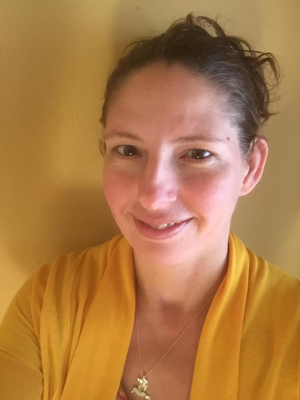
Contact via email at khauer [at] nicoletlibraries [dot] org
What is it about ARSL's mission, vision, and/or organizational values that makes you want to run for a Board position?
ARSL’s mission is exactly why I want to serve on the Board. It recognizes how vital rural and small libraries are to the strength of their communities, and it commits to supporting them through advocacy, professional development, and a strong national voice. I’m especially drawn to ARSL’s belief that these libraries aren’t just smaller versions of something else—they’re creative, community‑rooted institutions with their own strengths and identities. I also feel closely aligned with ARSL’s core values. The emphasis on accessibility, responsive service, and intellectual freedom reflects the principles that guide my own work. And the organization’s focus on professionalism, collaboration, and accountability matches the kind of leadership I believe a member‑driven association needs to thrive. Serving on the Board would give me the chance to contribute to an organization whose mission I believe in and whose values I share, and to help ensure rural and small libraries continue to receive the support and recognition they deserve.
Prior to running for this election, how have you engaged with ARSL?
My engagement with ARSL has grown through consistent participation in its annual conferences, both as an attendee and as a repeat presenter. These experiences have allowed me to connect with library professionals nationwide and strengthened my commitment to the organization’s mission. While my involvement so far has focused on contributing through conference sessions, I’m eager to take on a more active role in ARSL’s leadership and ongoing initiatives.
How has your experience working in rural or small libraries prepared you to serve as a leader of ARSL?
My time as director of a multi‑branch rural library system—serving 40,000 people spread across 900 square miles—gave me a very real understanding of what rural and small libraries navigate every day. Each branch served a community of 1,500 people or fewer, so leading that system meant being flexible, creative, and deeply committed to equity. I learned how to support staff who often worked alone, how to advocate for resources in places where rural needs are frequently overlooked, and how to keep services consistent across long distances and tight budgets. That experience shaped how I show up as a leader, and it’s why I feel prepared to contribute meaningfully within ARSL. I understand the challenges, the strengths, and the innovation that define rural librarianship because I’ve lived them. I know what it takes to champion small libraries, and I’m ready to bring that perspective to the ARSL Board.
Please describe your leadership experience outside of ARSL. How have these roles prepared you for this position?
My leadership experience spans many levels of librarianship, and it’s given me a strong foundation to serve in a national role with ARSL. I’ve spent 27 years in library service—more than 20 of those in supervision, management, and director positions—which has taught me how to support staff, guide organizational growth, and advocate for the unique needs of rural and small libraries. For 15 years, I directed a multi‑branch rural library system spread across a wide geographic area. That work required everything from long‑range planning to hands‑on staff development, community relationship‑building, and consistent advocacy at the local and county levels. Managing a system of that size helped me learn how to balance big‑picture goals with the everyday realities of serving small communities. I also currently chair the statewide committee revising Wisconsin’s public library standards. This role has strengthened my ability to build consensus, navigate differing viewpoints, and translate on‑the‑ground library experiences into practical statewide guidance. It’s also given me the chance to collaborate closely with librarians from libraries of all sizes. In addition, I teach a continuing education course for UW–Madison’s iSchool designed specifically for small‑library directors. Staying connected to new directors and emerging professionals keeps me grounded in current challenges and trends, and teaching has sharpened my communication skills while reinforcing my commitment to supporting the next generation of rural and small‑library leaders. Taken together, these experiences have prepared me to contribute meaningfully to the ARSL Board. I bring practical rural experience, a statewide leadership perspective, and a strong commitment to professional development for the field.
ARSL is dedicated to promoting inclusion, diversity, equity, and accessibility (IDEA) within the profession and our communities. How do you see yourself contributing to those goals as an organizational leader?
I see ARSL’s IDEA commitments as core to the mission of rural and small libraries, and I’m dedicated to carrying those values forward as a leader. Throughout my career, I’ve worked in communities where barriers—whether geographic, economic, or technological—shape people’s daily lives. As a rural library director, I put a lot of focus on making sure every community, no matter its size or circumstances, had equitable access to services, resources, and opportunities. If I were to serve in an ARSL leadership role, I’d bring that same commitment to incorporating inclusion, diversity, equity, and accessibility into everything we do—our advocacy, our professional development, and the support we offer to rural and small libraries across the country.
Aside from what you've listed above, are there any beneficial skills or experience that you would bring to the position?
Alongside my professional experience, I bring a set of practical strengths that I know would serve ARSL well. I’m highly organized, and I’m good at running meetings that stay focused, move efficiently, and respect everyone’s time. I’m also approachable and collaborative, and I work intentionally to create spaces where people feel comfortable speaking up and sharing ideas. I also believe that a little humor goes a long way in library work. Laughter helps build trust, ease stress, and keep teams connected—something that matters even more in small and rural settings where staff often wear many hats. With nearly three decades in the field, I bring both deep knowledge of library work and a leadership style rooted in clarity, consistency, and genuine care for the people I work with.
Can you tell us a few things about yourself outside of your work life?
Outside of work, I’m someone who loves simple joys and a little fun. I’m a HUGE Bon Jovi fan! I also enjoy reading and tackling jigsaw puzzles—they’re my go‑to for relaxing and recharging. I love being outdoors, especially walking, and I’m happiest on vacation anywhere warm and sunny. These hobbies keep me balanced and energized, and they help me bring positivity and lightheartedness into my professional life as well.
↑ Back to Vice President/President-Elect
John Henning Jr.
 Library Director, Kingman Carnegie Library, Kingman, KS Library Director, Kingman Carnegie Library, Kingman, KS
Contact via email at director [at] kingmanlibrary [dot] org
What is it about ARSL's mission, vision, and/or organizational values that makes you want to run for a Board position?
What draws me to ARSL is its unwavering commitment to ensuring that rural and small libraries are recognized as essential community institutions. Every day, I see firsthand how a library can be far more than a place to borrow books—it is a center for education, technology, community engagement, and lifelong learning.As the new Director of the Kingman Carnegie Library in rural Kansas, I have focused on modernizing services while honoring our library's historic role in the community. Through grant writing, expanding programming, increasing community outreach, strengthening partnerships, and improving access to technology and resources, I have seen the meaningful impact that strong leadership and collaboration can have on a small library.Serving on the ARSL Board would allow me to advocate for libraries that often operate with limited staff and resources while sharing innovative ideas and practical solutions with colleagues across the country. I believe rural libraries are uniquely positioned to change lives because they serve as trusted gathering places and vital community hubs. I want to help ensure ARSL continues to empower library professionals, amplify rural voices, and strengthen communities through advocacy, professional development, and collaboration.
Prior to running for this election, how have you engaged with ARSL?
Although I am relatively new to ARSL, I have intentionally immersed myself in the organization and the opportunities it provides for rural library professionals. I recently received a Network of the National Library of Medicine (NNLM) training award to attend the 2026 ARSL Conference, where I look forward to learning from colleagues across the country, building lasting professional relationships, and bringing new ideas back to my community.Since becoming Director of the Kingman Carnegie Library, I have actively sought out ARSL resources, webinars, and discussions to help strengthen our library's services and better serve our rural community. ARSL has become an important source of inspiration as I work to expand programming, pursue grants, improve technology, increase community engagement, and modernize library services while respecting our library's historic legacy.I believe meaningful engagement is measured not only by years of membership but by a willingness to learn, contribute, and serve. My goal is to become an active, collaborative Board member who listens to fellow rural librarians, shares ideas openly, and helps ARSL continue to be the leading voice for rural and small libraries nationwide.
How has your experience working in rural or small libraries prepared you to serve as a leader of ARSL?
Working in a rural library has taught me that success depends on creativity, collaboration, and a deep understanding of community needs. As Director of the Kingman Carnegie Library, I wear many hats each day—administrator, grant writer, technology coordinator, marketer, facilities manager, fundraiser, and community advocate. Like many rural library leaders, I have learned to maximize limited resources while continually looking for new opportunities to improve services.In a short time, I have focused on strengthening community partnerships, expanding programming, pursuing grant funding, modernizing technology, increasing outreach, and creating a more welcoming and engaging library experience. Every decision is made with the goal of providing the greatest possible impact for our patrons.These experiences have reinforced that rural libraries face unique challenges, but they also have incredible opportunities to innovate and become indispensable community hubs. I understand the realities of leading a small library because I live them every day. As an ARSL Board member, I would bring a practical, solutions-focused perspective, a willingness to collaborate, and a strong commitment to advocating for the librarians and communities that ARSL represents.
Please describe your leadership experience outside of ARSL. How have these roles prepared you for this position?
My leadership experience extends well beyond my work in libraries. I grew up working on my family's farm, where I learned the value of hard work, accountability, resilience, and serving a community. Farming taught me that success comes from planning ahead, adapting to changing circumstances, and working together toward a common goal—lessons that continue to shape my leadership style today.Professionally, I have spent much of my career in management, sales, marketing, and branding. These roles required me to build relationships, lead teams, manage budgets, communicate effectively with diverse audiences, and develop strategies that produced measurable results. I learned how to listen first, solve problems collaboratively, and inspire others around a shared vision.These experiences have been invaluable as I transitioned into library leadership. They have helped me modernize services, strengthen community partnerships, pursue grant funding, increase public engagement, and advocate for the value of the library within my community. I believe effective leadership is about bringing people together, embracing innovation while respecting tradition, and creating opportunities for others to succeed. Those are the qualities I would bring to the ARSL Board.
ARSL is dedicated to promoting inclusion, diversity, equity, and accessibility (IDEA) within the profession and our communities. How do you see yourself contributing to those goals as an organizational leader?
I believe every person deserves to feel welcome, valued, and represented in their library, regardless of their background, age, ability, or circumstances. In a rural community, inclusion often means ensuring that every resident knows the library is a place where they belong and can access the resources they need to learn, connect, and thrive.As Director of the Kingman Carnegie Library, I have worked to expand services, improve accessibility, diversify programming, and build partnerships that reach people who may not have traditionally used the library. I believe the best way to create inclusive libraries is by listening to the communities we serve, removing barriers to access, and continually evaluating how our collections, programs, and services reflect the needs of all patrons.As an ARSL Board member, I would support policies and professional development that help rural libraries create welcoming, accessible environments while recognizing that every community is unique. I believe IDEA is strengthened through collaboration, respectful dialogue, and practical solutions that libraries of all sizes can implement. My goal would be to help ensure that every rural library has the tools, resources, and support needed to serve its entire community with dignity, respect, and opportunity.
Aside from what you've listed above, are there any beneficial skills or experience that you would bring to the position?
One of my greatest strengths is my ability to think strategically while remaining focused on practical implementation. I enjoy identifying opportunities for growth, building partnerships, and turning ideas into measurable results. Whether pursuing grant funding, improving technology, strengthening community engagement, or developing marketing initiatives, I approach challenges with creativity, optimism, and a solutions-oriented mindset.My background in branding, communications, and public outreach has given me the ability to effectively tell the story of libraries and advocate for their value to community members, stakeholders, and elected officials. I believe rural libraries have incredible stories to tell, and strong advocacy is essential to securing their future.I also bring a collaborative leadership style. I value listening to diverse perspectives, building consensus, and creating environments where people feel respected and empowered to contribute. I am committed to lifelong learning and believe the best leaders continue to ask questions, seek new ideas, and share what they learn with others.If elected, I would bring energy, innovation, transparency, and a strong commitment to serving ARSL's members while helping ensure rural and small libraries continue to thrive for generations to come.
Can you tell us a few things about yourself outside of your work life?
Outside of the library, my greatest joy is spending time with my family. They keep me grounded and remind me why strong communities matter. I also have a lifelong passion for music and have performed as a regional musician for many years. Music has taught me the value of creativity, collaboration, and connecting with people from all walks of life.I enjoy mentoring and coaching others, whether in professional settings or through community involvement. Helping people discover their potential and celebrating their success is one of the most rewarding parts of leadership.I'm also an avid learner with a deep appreciation for history and storytelling. I love exploring local history, discovering the stories that shape communities, and researching the people and events that connect us to our past. Whether through books, conversations, or music, I'm always looking for opportunities to learn something new.I believe these interests have made me a better leader by strengthening my curiosity, empathy, and ability to connect with people. They continually remind me that every community—and every person—has a story worth listening to and preserving.
↑ Back to Vice President/President-Elect
Allison May
Director, Mitchell Community Public Library, Mitchell, IN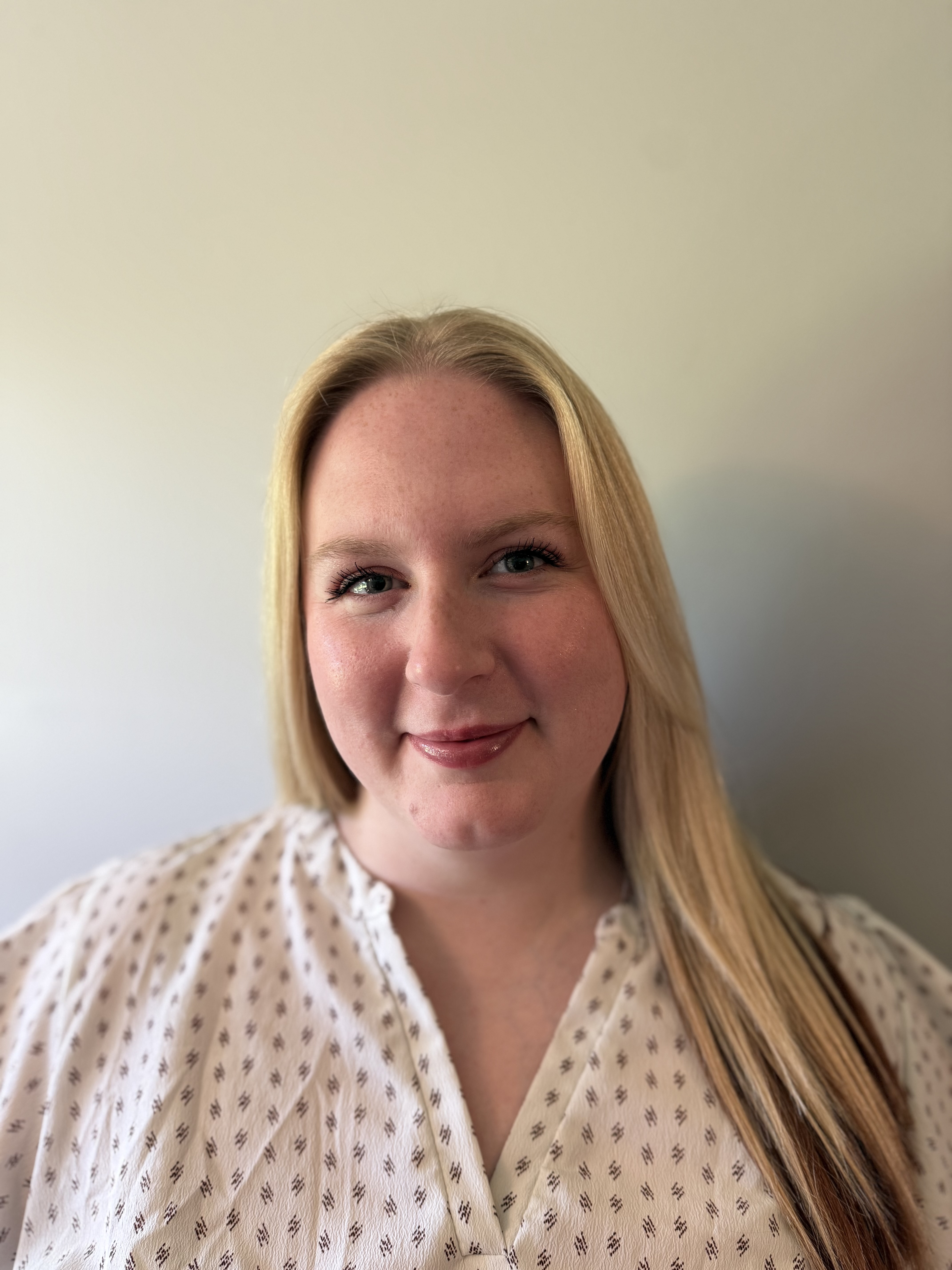
Contact via email at amay [at] mitchell [dot] lib [dot] in [dot] us
What is it about ARSL's mission, vision, and/or organizational values that makes you want to run for a Board position?
During my time in libraries, I have always found ARSL to deliver on its promises. As an organization, it truly supports the rural libraries in America by providing continuing education, professional development, networking, grant funding opportunities and resources so consistently that I consider it one of my most valuable tools as a librarian. ARSL helps rural libraries stay informed, engaged and supported and being part of the leadership team of this organization would allow me to support libraries and their staff in ways I myself have been supported, giving back what as been given to me - having a seat at the table allows me to hold up the values I believe are truly integral to the future of libraries. ARSL gives rural and small librarians a place to be seen and heard in a way that will aid in making sure those small libraries remain valuable institutions in their communities for decades to come.
Prior to running for this election, how have you engaged with ARSL?
I have been an ARSL member for several years and have actively engaged in what this organization has to offer - whether it be roundtables, webinars, grant opportunities, or conferences. It has continued to be an organization I suggest to my fellow rural libraries as a “must-have” membership. I am also currently the Volunteer Coordinator for the 2026 ARSL Conference, where I am happy to be part of a team that brings together librarians from all across the nation.
How has your experience working in rural or small libraries prepared you to serve as a leader of ARSL?
I have worked in rural libraries for 8 years, starting as a part-time clerk and since my start in 2018, I have earned my MLIS and am now the Director of a rural library in Indiana. I believe my work ethic and my willingness to seek professional development opportunities, along with my experience bringing new systems, processes, resources, and community engagements to the libraries I have worked with make me a valuable leader and team partner. I have experience in almost every position within library work, making me a good representative of not only the rural libraries, but of their staff as well. I have seen many sides of rural librarianship - the good and the bad, the exciting and the exhausting - and I believe that I can work hard to improve the tools rural libraries have to lead them to success.
Please describe your leadership experience outside of ARSL. How have these roles prepared you for this position?
Throughout my academic and professional careers, I have sought out leadership opportunities to learn from others and to encourage others to grow. As a librarian, I have constantly sought to discover what is needed from me in this field to be helpful, efficient, and innovative. I have led important changes within organizations I have been part of and created new systems, operations, and work flows for those organizations. I have completed the American Library Association’s (ALA) Resilient Communities Program as part of its Sustainability Initiative, and graduated from the Indiana Library Federation’s (ILF) Leadership Cohort. I am part of library organizations both local and national, where I am a member-at-large for the Indiana Public Library Association and am on the planning committee for the ARSL Conference as its Volunteer Coordinator. In addition to ALA and ARSL, I have been a mulit-year member of the Public Library Association, Indiana Library Federation, Midwest Collaborative for Library Services, Association of Bookmobiles and Outreach Services. I am part of local community organizations such as a college-readiness program for middle and high schoolers, a local community care (for mental and physical health) team, and have spent extensive time spearheading new community outreach programs. I have led people in libraries as a Branch Manager and now a Director. These roles have prepared me for this position, as I have been part of large and small teams, lead groups of people, and coordinated events, programs, and milestone changes with great success and effect - and I seek to continue to do so.
ARSL is dedicated to promoting inclusion, diversity, equity, and accessibility (IDEA) within the profession and our communities. How do you see yourself contributing to those goals as an organizational leader?
I believe ARSL’s values surrounding inclusion, diversity, equity, and accessibility are exceedingly important. Every day, in every community, we could all be doing more, by striving for access and representation. I will contribute to these goals by advocating for them at a personal, library, and organizational level. Everyone should have the equal and equitable opportunity to and in libraries to learn, grow, and find community with others. I will seek opportunities not only to promote IDEA, but to improve it. As someone with a certain amount of privilege, I intend to seek opportunities to lift up voices often less heard. We are in an age of librarianship where equal access is becoming more valuable than ever to fight for - and I think ARSL is a valuable tool in helping that issue within rural libraries and communities, and I intend to be part of the solution.
Aside from what you've listed above, are there any beneficial skills or experience that you would bring to the position?
I believe my organization, communication, writing, and people skills make me a valuable leader. I find that people are not only willing to work for me, but work for me as part of a team. I believe in the value of every member of a library, of a community, of an organization is part of the greater change. This leadership role as Vice President/President-Elect would not be my first leadership role, but I would be honored to bring enthusiasm, determination, emotional intelligence, and accountability to an organization with deep roots throughout the country.
Can you tell us a few things about yourself outside of your work life?
I graduated from Southern Illinois University Carbondale with both a Bachelors in English and in International Cultures, Languages, and Trade, as well as a minor in Art History. I have worked in libraries since 2018, where I earned my MLIS through Valdosta State University in 2022. I am from a small Indiana town and I spend much of my free time reading, creating, gardening, and traveling. I seek to make strong connections that turn into friendships, and I love supporting local restaurants and businesses - I think they can often relate to the feelings of being a rural and small organization in America. I believe small libraries are powerful as leaders of community change, and have fallen into a career that lets me be part of that.
↑ Back to Vice President/President-Elect
Amy Stone
Library Director, Bridgton Public Library, Bridgton, ME through July 31, 2026, after which Amy will enter the PhD program for Library & Information Science at Simmons University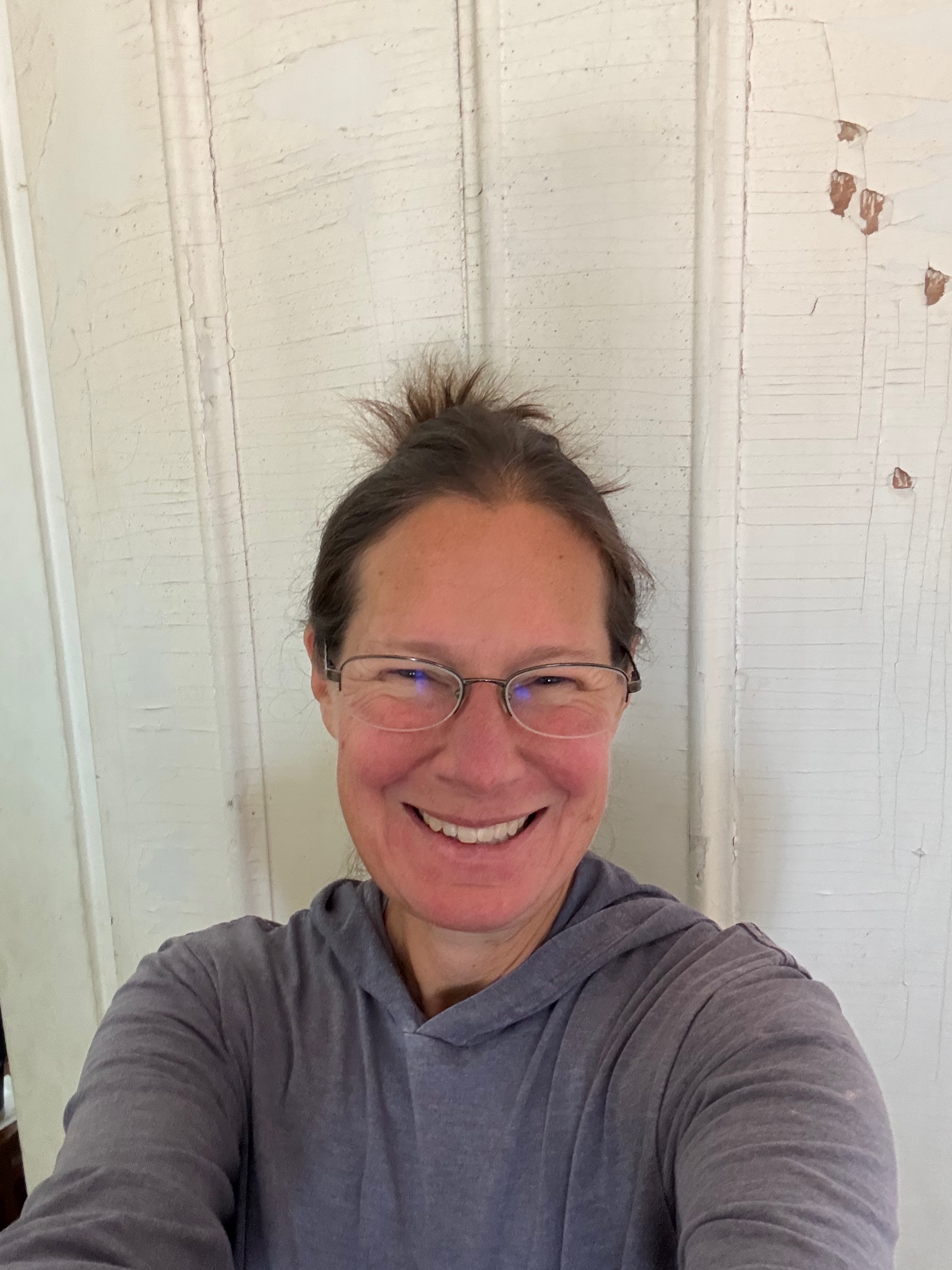
Contact via email at akpstone [at] gmail [dot] com
What is it about ARSL's mission, vision, and/or organizational values that makes you want to run for a Board position?
As someone who has been serving small and rural communities for many years, in different places, one of the many things I see in ARSL's mission, vision, and values is the recognition that each community is unique, each library director has their own experience, and that by connecting these, ARSL is building a strong and resilient sector. I see the potential, the amazing potential, of small and rural libraries as the most democratic of institutions, and am constantly excited and inspired by the innovation and energy of all of the library directors, staff, and volunteers, hundreds of thousands of them, solving real problems for real people.
Prior to running for this election, how have you engaged with ARSL?
Over the years I have been participating in different ways. I was an active and motivated member of the ARSL Advocacy Committee for six years. I joined what was the Northeast Regional Focus Group, now the Northeast Regional Forum. I completed one year as the board-appointed Interim Northeast Regional Representative and then decided to run for that position. I am completing that two year term at the end of 2026. In my time on the Board of Directors I have been the board liaison for the Conference Committee, Partnership Committee, and am currently the board liaison for the newly-formed Sustainability Committee. Using listservs and meeting people in person, I have consistently invited people to consider ARSL membership, to participate in our regional forums and committees, and always always ask me questions. During the regional forums that I facilitate I make sure everyone has the opportunity to share their challenges, things they are excited about, and questions they have for the group. I always provide notes from the meetings, for those who would like them, that include resources and things to follow up with, to make sure the needs of the members are being addressed.
How has your experience working in rural or small libraries prepared you to serve as a leader of ARSL?
I have volunteered, been a board member, or been employed by a library for over 40 years. In my current position as Library Director of the Bridgton Public Library I have worked as an advocate for my library. I truly understand the important role that small and rural libraries play in the everyday lives of residents and communities, and the many many challenges we face. The work of libraries goes well outside of literacy and books. The reality is that we are social and mental health workers, digital navigators, and restorative justice providers. I know that rural and small library staff need support and resources, particularly as we struggle for funding at every level, to keep doing the important work for our communities.Here at Bridgton Public Library I led a part-time staff to be fully empowered professionals because I understand that being a professional is not about a degree, but about how you view your work and your workplace. From my years of personal and professional experience, I also know that being a leader is about listening, thinking, and being willing to act for change.
Please describe your leadership experience outside of ARSL. How have these roles prepared you for this position?
Locally I helped form a small library consortium to better serve area residents. In Maine, each public library is a separate entity, with no state-level operating funds or state-funded online catalog. With this consortium we were able to improve access to programs, services, and shared collections, making it easier for area residents to find what they need every day of the week. I also participated in a statewide Digital Inclusion Coalition, with many different types of organizations, to complete Maine's Digital Equity Plan. Being a coalition member, for me, goes beyond meeting attendance, It requires time, attention, and relationship-building with other coalition members, who are leaders in their fields. I served as the Maine Library Association Legislative Committee Chair for three years, which included speaking to congressional delegates, planning statewide Library Legislative days, and keeping the Maine library community informed on legislative and advocacy issues. Through all of these experiences, I have been looking at the larger, national public policy landscape for years. This definitely informs all of my work for ARSL. I am committed to working hard, making thoughtful decisions, and including as many voices as I can in the process of change and growth for ARSL.
ARSL is dedicated to promoting inclusion, diversity, equity, and accessibility (IDEA) within the profession and our communities. How do you see yourself contributing to those goals as an organizational leader?
Accessibility is at the heart of IDEA and of the role that ARSL should play. As the Vice President/President Elect I would want to make sure we always continue reaching out to people with barriers, in ways that are respectful and meaningful. We need to be willing to listen to what our members need, what they will find most helpful, and then we as an organization need to be willing to act for change. This is about members talking to each other and board members actively listening. Leading is a process that should always include diverse voices, and then considers the best ways to do the most good for the greatest number of people.
Aside from what you've listed above, are there any beneficial skills or experience that you would bring to the position?
Knowing who you are is pretty important. I am a good listener because I care deeply about people. I know that I take time to think about things, sometimes for what may seem like a long time, but that is because I am usually putting several things together into something that works for more people. I am focused and attentive. Keeping the focus on strategic goals, while deepening and expanding service to members, is the work ahead for ARSL, and I am dedicated to providing guidance and support.I believe deeply in the right to read, think, and speak. I have consistently, over years, encouraged people to advocate directly to elected officials at all levels to safeguard these rights.I have government and nonprofit board experience, as well as experience as a director of a 501(c)(3) nonprofit. I understand the role of the nonprofit board in governance and financial oversight, and the responsibilities each board member has. As the current ARSL board liaison to the Sustainability Committee, I am personally and professionally committed to supporting this work. Looking at the financial, environmental, and community impacts of any organization, library or otherwise, is the very definition of good governance. It is the foundation on which we build resiliency and ensure future success.I am consistent, hard working, and dedicated. I am also a person who invites question, concerns, and feedback.
Can you tell us a few things about yourself outside of your work life?
I grew up in Maine. I went out of state for college, and lived in Massachusetts, Arizona, and California. Each place was special and beautiful. I currently live in Maine with my husband and sons, near my parents, and very connected to extensive family throughout the country. This keeps me both grounded and busy. I am currently changing my career path, and have been accepted to the PhD program for Library & Information Science at Simmons University (Boston, MA). My area of interest is the role of rural and small public libraries in bridging the digital divide, with a focus in public policy. I of course will continue my long-standing membership to ARSL, which is at the heart of all of the work I do.
↑ Back to Vice President/President-Elect
Christinna Swearingen
Library Director, Rusk County Community Library, Ladysmith, WI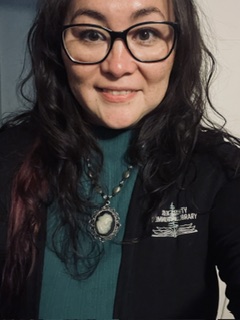
Contact via email at swearingen [at] ladysmithpl [dot] org
What is it about ARSL's mission, vision, and/or organizational values that makes you want to run for a Board position?
I am passionate about ensuring that rural and small libraries are not left out of the conversation when it comes to accessibility, intellectual freedom and inclusion. Being rural or small does not mean that a library has less value and it definitely does not have less talent. Advocating for these organizations and giving them the tools to flourish and exist for all of the generations that come after us should be a priority for most librarians, and for me, it definitely is.
Prior to running for this election, how have you engaged with ARSL?
I have attended a copious amount of TRAINS and have been on the Continuing Education committee since 2023. I've helped facilitate presentations, applied for scholarships, and try to be involved as my schedule will allow. This has been my favorite membership organization to work with thus far and I have no intention of leaving ARSL anytime soon, serving in whatever capacity that I am needed to help bring recognition to rural and small libraries everywhere.
How has your experience working in rural or small libraries prepared you to serve as a leader of ARSL?
Through my experience with rural and small libraries, I've learned how to deal with angry patrons, burnt out staff, manage board expectations in small communities, produce and offer programming, develop strong partnerships to carry the load, navigate uncertainties and so much more. I am passionate about the work that rural and small libraries do and want to see them succeed for generations to come.
Please describe your leadership experience outside of ARSL. How have these roles prepared you for this position?
I am one of the founding members and a past chair of the Intellectual Freedom Committee for the Wisconsin Library Association, a member of the Wisconsin Council of Library and Network Development and an active community volunteer for various organizations in my city. I understand what it means to advocate, sometimes loudly, to ensure that there is attention being paid to issues that need to be addressed rather than brushed under the rug or dismissed as status quo. Libraries change communities for the better and they need fierce advocates that aren't afraid to let others know the importance and value of a library. I am ready and willing to be that advocate in any way that I can.
ARSL is dedicated to promoting inclusion, diversity, equity, and accessibility (IDEA) within the profession and our communities. How do you see yourself contributing to those goals as an organizational leader?
As someone who comes from a diverse background herself, IDEA pinpoints areas in which we still aren't getting it right. I think it is okay to acknowledge that we can do better and that we might need help doing so, whether that comes in the form of continuing education, outspoken advocacy, resources to pass out to boards, or just showing that you are welcome in the library with a display. I am continuously searching for ways to ensure that my library can stay relevant as a third space and this means that we are not only adapting how we service the community but also how we configure our spaces, develop our collections, and offer programs. I am an admitted work in progress but I work toward increasing inclusion and equity in my space every day.
Aside from what you've listed above, are there any beneficial skills or experience that you would bring to the position?
I have 15 years of experience in mental and behavioral health, which actually is a boon to working in public libraries as a leader as emotional intelligence is a great skill to have if you have supervisees. I am and always have been outspoken about social justice issues. I have a lot of experience presenting in online formats and in-person, and I quite enjoy being able to meet and network with others in my librarianship work.
Can you tell us a few things about yourself outside of your work life?
I am fortunate to live in a place where year-round recreation is a way of life and enjoy kayaking in rivers and lakes, walking my dogs, and of course, curling up on the couch with my newest read. I am a first-generation child of an immigrant and the first of my family to be a college graduate. I am the oldest of six children and was a member of our rural and small library in town until I moved out of state to be the director of my very own rural and small library.
↑ Back to Vice President/President-Elect
Secretary
Sara Koehn
Director, Haskell Township Library, Sublette, KS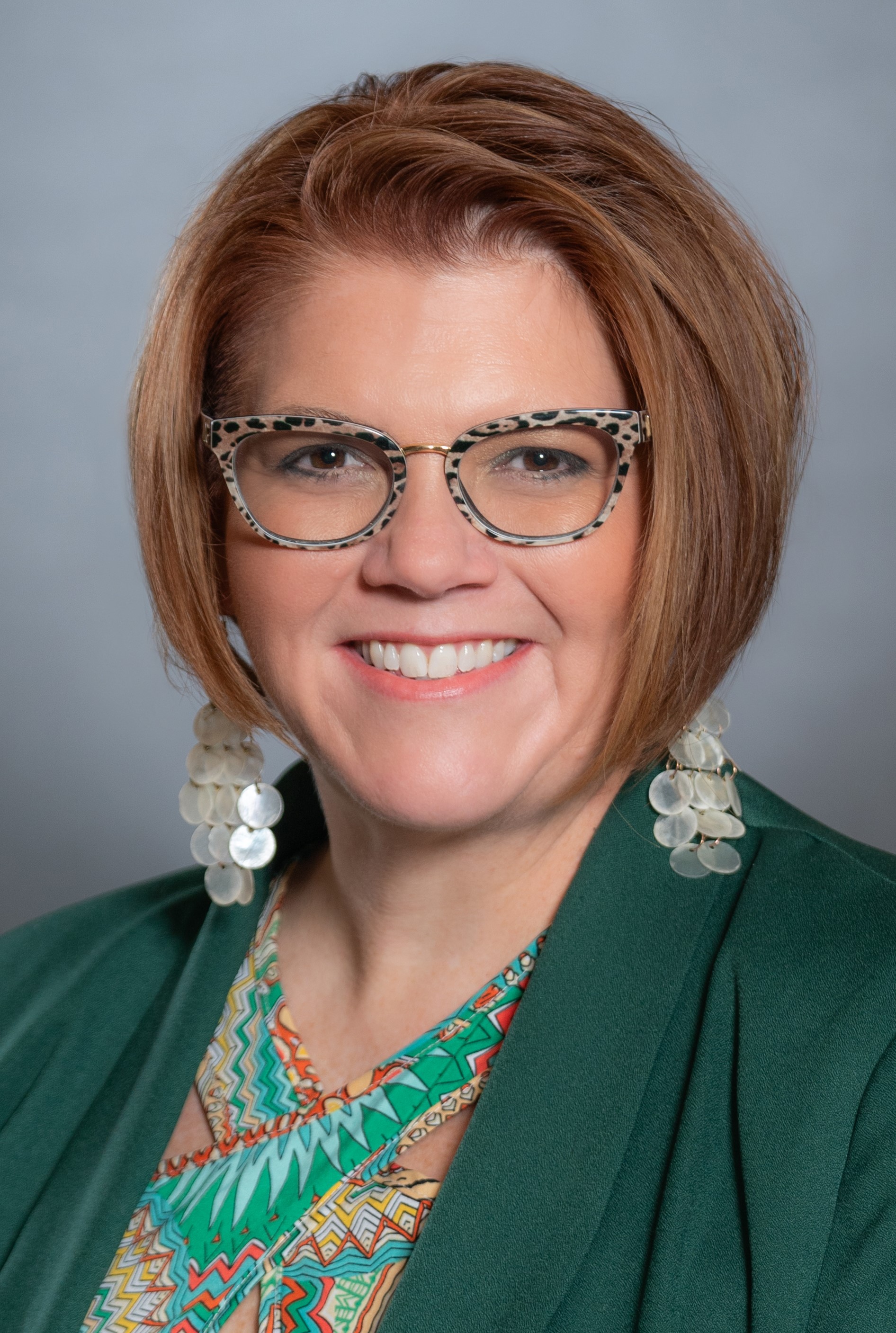
Contact via email at director [at] haskelltownshiplibrary [dot] org
What is it about ARSL's mission, vision, and/or organizational values that makes you want to run for a Board position?
ARSL is deeply committed to supporting and advocating for rural and small libraries. The organization recognizes both the vital role these libraries play in their communities and the support they need when their services are at risk. Serving on the ARSL Board would give me the opportunity to support my colleagues in small and rural libraries and give back to an organization that champions our work.
Prior to running for this election, how have you engaged with ARSL?
I became a member of ARSL in 2021, when I first entered librarianship. In 2022, I became a member of the Advocacy Committee, a Co-Chair of the Committee in 2024 and continue to serve in this position today. I have attended the last 3 conferences and have presented in 2 of those conferences either as an individual or as a member of the Advocacy Committee.
How has your experience working in rural or small libraries prepared you to serve as a leader of ARSL?
As the director of a small rural library serving just over 1,800 patrons, I experience firsthand many of the challenges and opportunities that ARSL works to address. Our library is often on the front lines of responding to the changing needs of our community, which requires us to be adaptable, resourceful, and proactive in planning services that meet both current demands and emerging needs.In addition to managing library operations, I have worked closely with local civic organizations and community leaders to build awareness of the library’s broader impact. Through these partnerships, I have helped demonstrate how libraries contribute to community development, access to information, and social connection—not just through collections and children’s programming, but through a wide range of essential services.These experiences have given me a strong understanding of the realities facing small and rural libraries, as well as the importance of advocacy, collaboration, and forward-thinking leadership. As an ARSL leader, I would bring the perspective of a working rural library director, actively listen to the needs of our members, share practical insights from the field, and work collaboratively to identify solutions and opportunities that strengthen rural libraries and the communities they serve.
Please describe your leadership experience outside of ARSL. How have these roles prepared you for this position?
My leadership experience extends across several community and professional organizations. I have served on a variety of boards, including our local school board and Chamber of Commerce, and I currently serve as 2nd Vice President of the Kansas Library Association. I also previously served as President of our local Human Resources chapter.Through these roles, I have developed a strong understanding of effective board governance, strategic planning, advocacy, and member engagement. I have seen firsthand how successful boards support their organizations by setting clear goals, fostering professional development opportunities, building strong partnerships, and creating meaningful connections among members.
ARSL is dedicated to promoting inclusion, diversity, equity, and accessibility (IDEA) within the profession and our communities. How do you see yourself contributing to those goals as an organizational leader?
As an organizational leader, I would contribute to ARSL’s IDEA goals by helping create awareness of advocacy efforts and resources that support small and rural libraries in serving all members of their communities. I believe it is important to ensure that inclusion, diversity, equity, and accessibility are woven into the work we do, not only through policy and advocacy but also through professional development and member engagement.As a rural library director, I understand that every community is unique. I would work to ensure that ARSL continues to listen to and reflect the diverse experiences of its membership while providing support that helps libraries create safe, welcoming, accessible, and empowering spaces for all. By fostering collaboration, encouraging open dialogue, and advocating for the needs of rural libraries, I would help advance ARSL’s commitment to IDEA throughout the organization and the communities we serve.
Aside from what you've listed above, are there any beneficial skills or experience that you would bring to the position?
These experiences have prepared me well for this position by strengthening my ability to collaborate with diverse stakeholders, contribute to thoughtful decision-making, and advocate for the needs of members and communities. They have also reinforced the importance of listening, building consensus, and taking proactive steps to help organizations achieve their mission and remain responsive to the people they serve.
Can you tell us a few things about yourself outside of your work life?
I am a single mom of two boys, 13 and 11, that are very active in sports that have now become year round and nothing makes my heart happier than being there to support them. I love to go camping in Colorado, enjoy a backyard firepit, and a great book! I am also an avid Kansas Jayhawks and Kansas City Chiefs fan!! While I work in a town of just over 1300, I live in the town I grew up in of about 300. I have my Master’s in Business Administration from Capella University and my Master’s in Library Science from Emporia State University. In my previous life, I was in Corporate Human Resources for over 20 years across different industries in five different states. While I have a diverse background in education and experience, the love and passion I have for libraries and advocating for them is undeniable and I wouldn't want to be doing anything else.
↑ Back to Secretary
Rachel Lunden
Nevada State Cataloger, Nevada State Library, Carson City, NV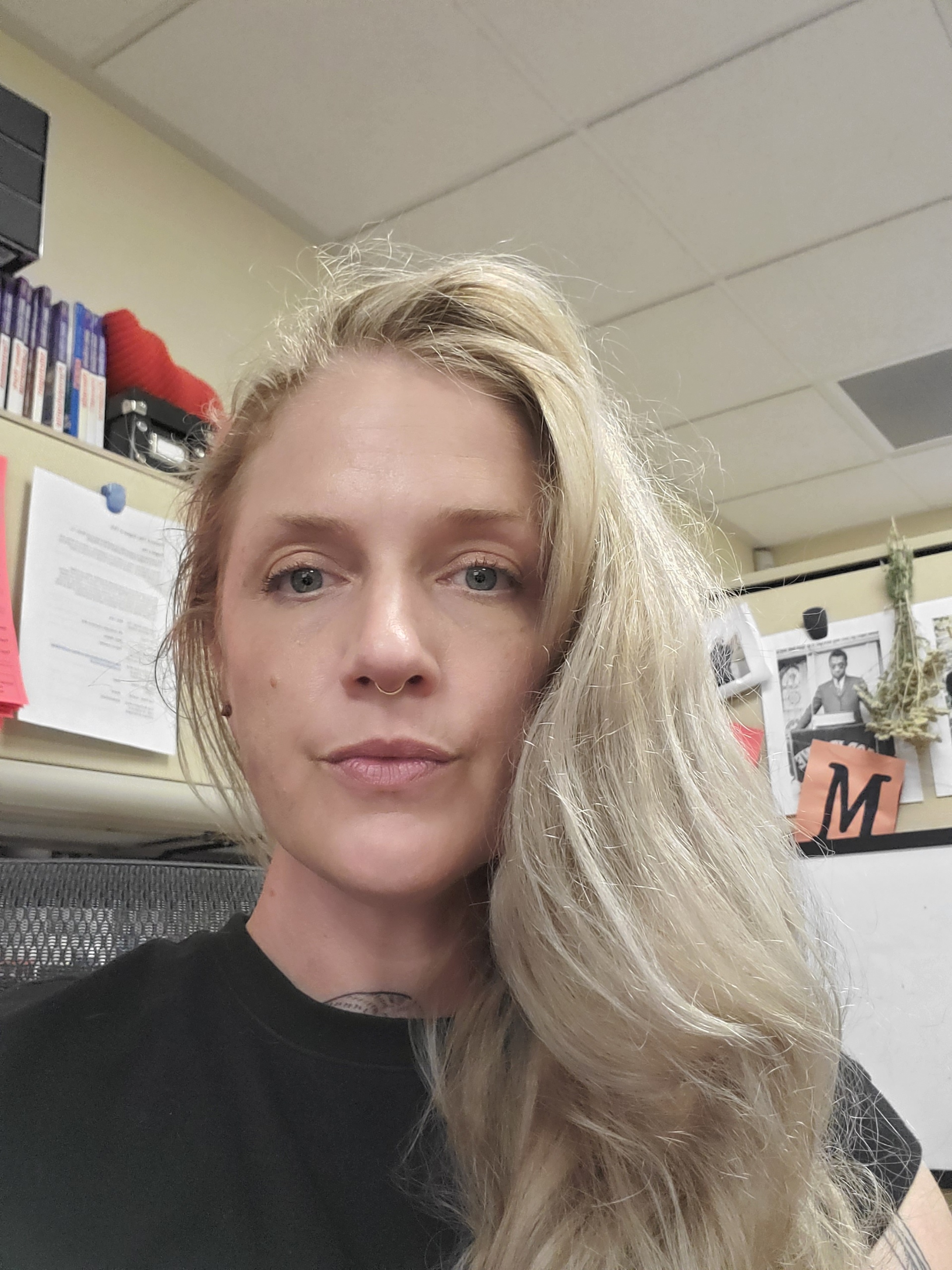
Contact via email at raylunden [at] gmail [dot] com
What is it about ARSL's mission, vision, and/or organizational values that makes you want to run for a Board position?
Because, in my experience with ARSL, I have found that they actually abide by their mission, vision, and values. I have never been involved in a community where so many that are involved are so willing to provide support, advice, and a place to grow. I was accepted as a member of ARSL’s second Leadership Institute Cohort that graduated last year. Every part of that program was imbued with the ARSL’s mission, vision, and values. Our instructors, my fellow cohort members, the courses and programs– all drove home how important our work in rural and small libraries is and how the work that we do impacts our communities. That by lifting each other up in support is how we bring excellence to our libraries and communities, and that collaboration is how we get it done. In the few years that I have been involved in ARSL, I have already seen it grow and make efforts to better support their/our mission, vision, and values. There are now new committees, more TRAIN opportunities, collaborations, and I have heard some very exciting plans for the future that I would love to be a part of and bring them all to fruition.
Prior to running for this election, how have you engaged with ARSL?
My time with ARSL has been short but sweet so far. I was very fortunate to be a part of ARSL’s second Leadership Institute Cohort.This is the second year that I have been a part of ARSL's Continuing Education Committee and the first as the Committee’s Co-Chair with my partner Melissa Little. I have hosted or co-hosted several TRAIN programs with more coming up in August on digital and physical ADA accessibility in libraries and October’s Conference Wrap-up Round Table.I am also currently ARSL’s representative on the Advisory Board for the OCLC/WebJunction Beyond ABLE reboot project (or Library Foundational Trainings – LiFT) and – hopefully if the grant is funded, as an advisory member on a project to update WebJunction’s Competencies for the Library Field, where I would support modernizing their library competencies and developing a competency-based credentials standard.
How has your experience working in rural or small libraries prepared you to serve as a leader of ARSL?
I think my experience has given me an opportunity to wear so many hats. I have learned the value of being as organized as possible, of always planning for emergencies, of taking care of each other and my community, and making community outreach something that I never turn off. I also learned to thrive in chaos, because no matter how organized or ready for an emergency you are, something weird is going to happen, and I find joy in reigning it in.All of the experience touched on in the other questions comes entirely from my experience in small, rural libraries.
Please describe your leadership experience outside of ARSL. How have these roles prepared you for this position?
You can be a leader without being “management”. That type of leadership has never been something I have been interested in.I have worked on projects, committees, and in agencies with absent members and leaders or with no standards, policies, procedures, or organizational systems to manage projects. In those situations you have to be the leader you wish your team had. Brene Brown’s quote, “Clear is kind. Unclear is unkind,” is how I have navigated this – even before I had her words to explain it. I have leaned into creating procedural checklists, conceptual design and standards frameworks, desk manuals, and resource guides, to prepare in-house “white papers” on related/emerging technologies or best practices, and to archive meeting documentation and correspondence as my own system of project management.It is extra work, but it saves time in the long run– I am prepared, my team has clear (and kind) expectations, it mitigates the possibility of miscommunication, and it sets us up to be prepared for any potential risks or to be ready to take advantage of new opportunities. I want to bring my organizational skills and my own personal style of leading with kindness, to the Secretary role.
ARSL is dedicated to promoting inclusion, diversity, equity, and accessibility (IDEA) within the profession and our communities. How do you see yourself contributing to those goals as an organizational leader?
I would be supporting these goals as Secretary by ensuring that ARSL’s commitment to IDEA is documented, highly transparent, and practically implemented into Board processes. In facilitating meetings, I would support this with inclusive meeting logistics and accessibility, documenting the meetings using clear language (no unnecessary jargon) to prevent barriers between the Board and any ARSL members with different cultural or educational backgrounds. I am also very familiar with ADA accessible documentation for meeting materials, procedures for open meeting requirements, and have experience with working on website content and postings.I don’t doubt that the fellow board members will also be dedicated to IDEA but I would still be an advocate for ensuring that our commitments to IDEA are part of any bylaw or strategic plan or updates. As someone who is very passionate about continuing education and professional development, I will also not hesitate to provide educational opportunities for improvement to my fellow board members – information packets or training. I will assign homework.
Aside from what you've listed above, are there any beneficial skills or experience that you would bring to the position?
I have begun directing my community outreach experience inwards, to within ARSL.This year, as part of ARSL’s Continuing Education Committee, I am working with our team to create an ambitious continuing education resources reference list and reaching out to subject matter experts in these areas to provide us with their go-to resources. Our committee has also been scheming on a way to turn the ARSL blog into a member message board of sorts, with blog posts from subject matter experts on topics requested via a linked form. Providing resources, participating in conversations, and sharing knowledge gives ARSL members a less intense way to contribute to our community if they are not able to make it to every committee meeting or meetup, run for election, or host a TRAIN. Participation leads to a sense of agency. I want all hands on deck!
Can you tell us a few things about yourself outside of your work life?
I am a cat mom, gardener, baby roller derby player, yarn and fabric hoarder, knitter, weaver, and a Nevada historical newspaper researcher.
↑ Back to Secretary
Nick Shimmin
Adult Services Librarian, North Liberty Library, North Liberty, IA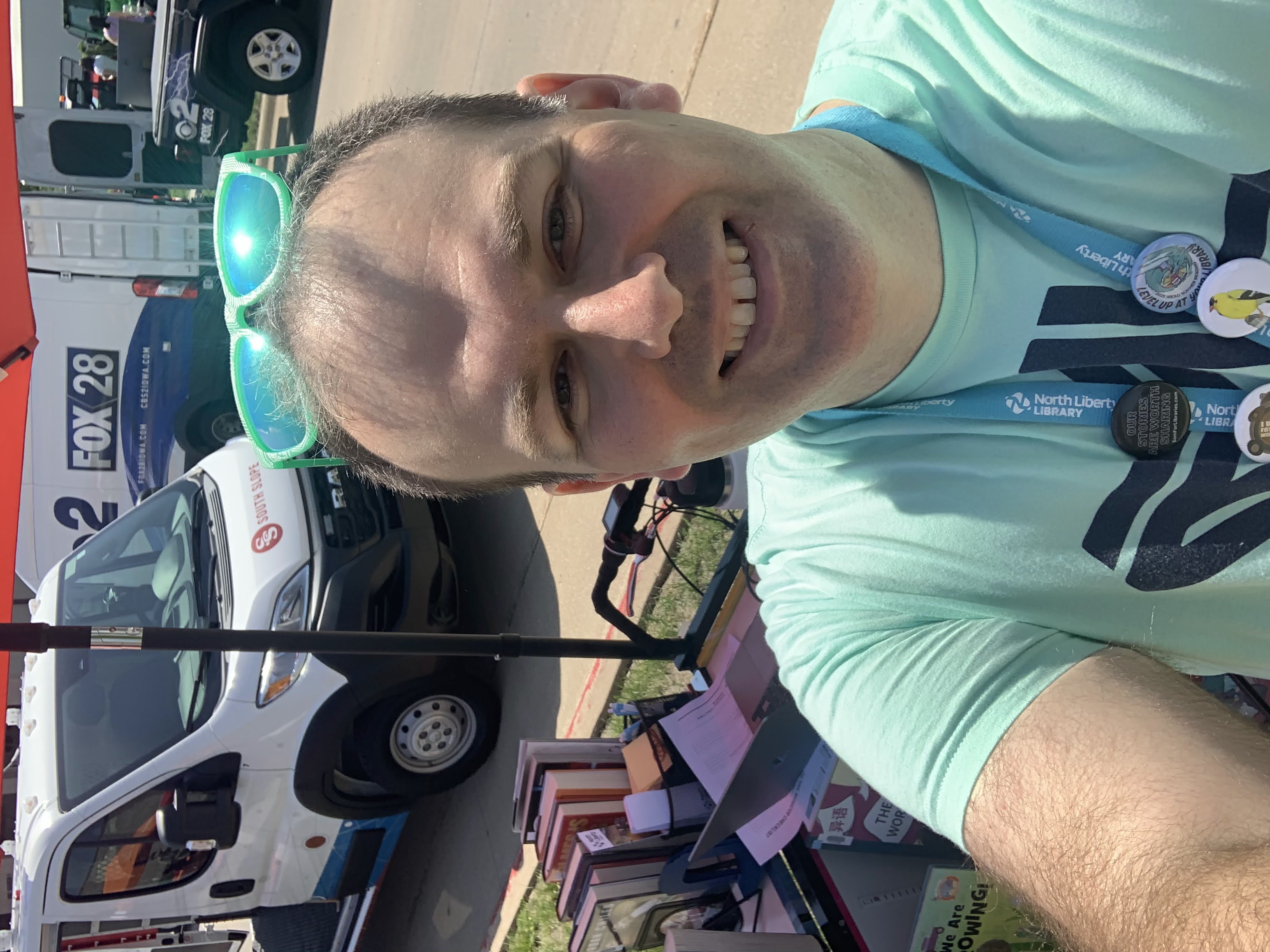
Contact via email at nshimmin [at] northlibertyiowa [dot] org
What is it about ARSL's mission, vision, and/or organizational values that makes you want to run for a Board position?
I think the value of collaboration, creating a community of rural and small-community librarians, is the most important part of ARSL for me. Each of our small libraries has to respond to the needs of our own communities, but when we form this community, we become more resilient and innovative. We get to share ideas and help one another to best serve our residents. While there are other librarian organizations, the scope of ARSL with the focus on rural and small libraries makes it particularly special. Our libraries are highly adaptive, quick to meet the needs of our communities, and able to form close relationships with the people we serve. Because of this, I regularly advocate for the elevation of our small and rural libraries to be held in the same light as the large urban libraries.
Prior to running for this election, how have you engaged with ARSL?
I've served on the finance committee for the past two and a half years and have helped with a couple of the annual ARSL budgets. Before that, I've had the pleasure of attending several conferences (I believe my first was 2018). I finally presented last year in Albuquerque for the first time, and look forward to another opportunity this year in Montgomery! Prior to 2018, I was a proud email list participant/lurker.
How has your experience working in rural or small libraries prepared you to serve as a leader of ARSL?
I've been a rural/small town librarian in for about 20 years now. I began as a director in a small Iowa town of about 2,200 people and served there for 16 years. In 2023, I moved to a slightly larger community, but still proudly small and rural. I've had the opportunity to learn about a lot of libraries and their communities and to experience a full run of the positives and negatives of what small town libraries have to manage – changes in technology, materials challenges, budget gains and falls, and, of course, small appliance maintenance. I think one of the most important things for any board member of an organization is to understand how your personal strengths can be offered to the group as a whole. With ARSL, I have a pretty decent understanding of the finance system as well as a some understanding of the history of the organization and an excitement for upcoming opportunities.
Please describe your leadership experience outside of ARSL. How have these roles prepared you for this position?
I was a library director for 16 years and prided myself in fostering an environment that resulted in extremely low turnover. At one point, we were up to about 9 years without any turnover. In my time there, I was also selected by a city council and outgoing administrator to serve as the interim administrator during that hiring process. I also served on the board of our community development group until I switched libraries in 2023 and I currently serve on the leadership committee for the Iowa Library Association. I believe the most important thing I learned during that time about being in a board position, in addition to occasionally serving directly as secretary, was putting the goals of the organizations above personal views on how things could or should be. A board should be like a team - always working together to achieve goals even if you don't always agree on how that should be done. I am definitely have my own ideas and opinions, but after a decision is made, it's vital that the board works together with that decision.
ARSL is dedicated to promoting inclusion, diversity, equity, and accessibility (IDEA) within the profession and our communities. How do you see yourself contributing to those goals as an organizational leader?
My decision to become a public librarian is rooted in the ideal that it's the role of the public library to serve all people regardless of their backgrounds, socio-economic status, race, ethnicity, or ability. It was really the epitome of what I feel our country was intended to be - the embodiment of the "American Dream." I admire the goals in the current strategic plan to bring together diverse groups in the library community and think this is a great beginning. From there, if we wanted to push that further, I'd think we'd need to look at providing resources to promote language accessibility in our member libraries as well as establishing scholarship funds and stipends not just for the conference, but as encouragement and financial incentives for diverse and marginalized groups to learn and establish themselves within ARSL member libraries.
Aside from what you've listed above, are there any beneficial skills or experience that you would bring to the position?
I do have a long tenure of being on boards and working in that framework from community groups to recreational organizations. I've always said that I'm not very good at being a member of an organization – if I want to be part of an organization, I want to put my time and efforts forward to help that group succeed. So, I've ended up on quite a few boards. I do tend to learn new things pretty quickly (like a secretarial role) and like trying new things. I have a tech background and like to see if there are any interesting ways of organizing information or if there are any interesting utilities available to understand information or look at it in a different way.
Can you tell us a few things about yourself outside of your work life?
I have a wife, Ashley, and two children, Amelia (7) and Colin (4), who are awesome, silly, and crazy (in a good way). I don't have as much spare time as I used to, but I like to run, lift, read (mostly audiobooks right now while completing household chores), crocheting, and knitting. I do really like learning new things so take up hobbies frequently – the ones I've listed are the ones that stuck!
↑ Back to Secretary
Lisa Thompson withdrew her candidacy for ARSL 2027 Secretary on Monday, 7/13/26.
Regional Representative, Northeast
Bree Drapa
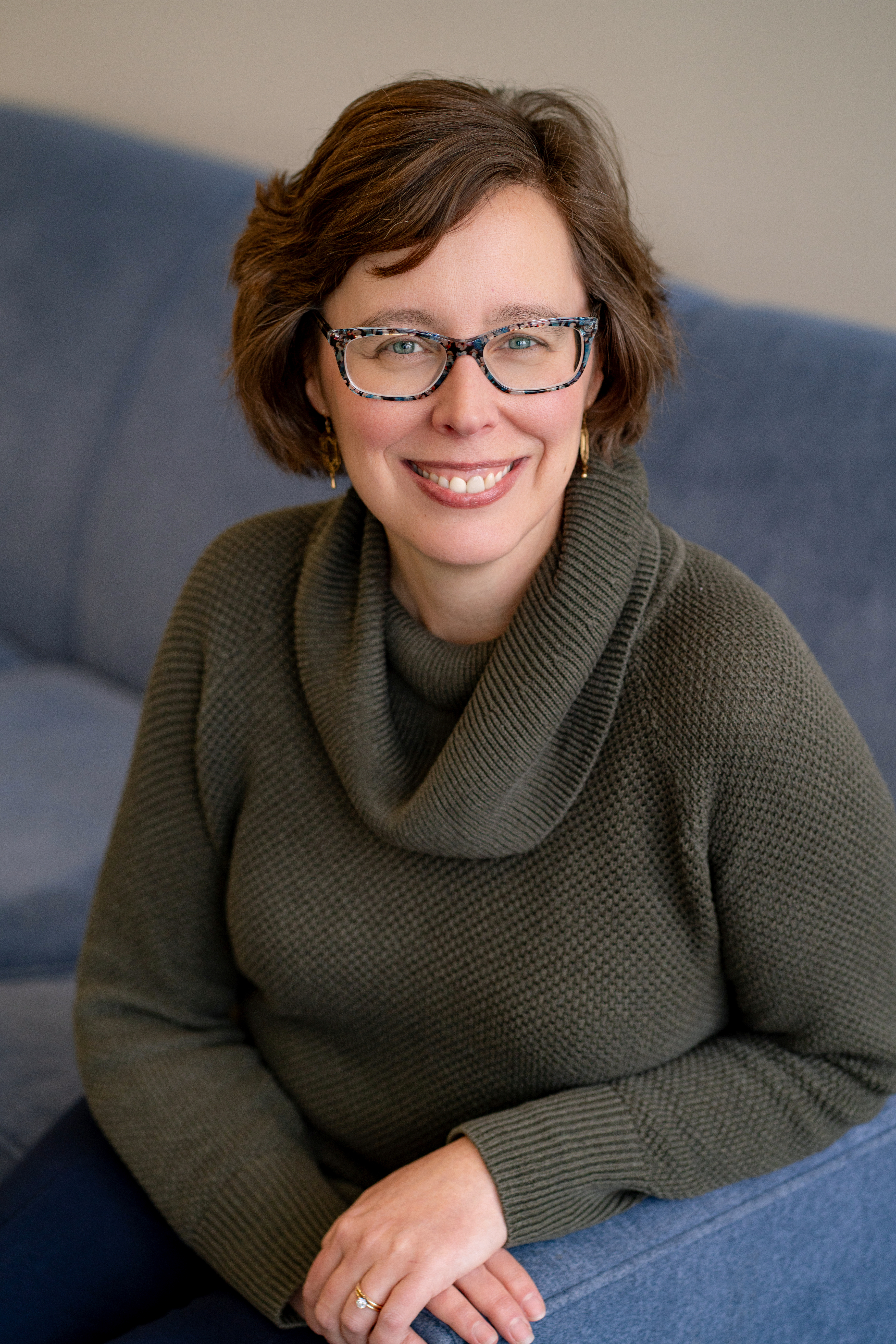 Director, South Burlington Public Library, South Burlington, VT Director, South Burlington Public Library, South Burlington, VT
Contact via email at bdrapa [at] southburlingtonvt [dot] gov
What is it about ARSL's mission, vision, and/or organizational values that makes you want to run for a Board position?
ARSL has been foundational in my growth and development as a librarian, and I would like to give something back to the organization. I want to work hard so that others can have opportunities like I have had. I have been an active member of ARSL since 2018. I had never heard of ARSL until I attended my first conference in Springfield, IL. After that I was hooked! I really like that ARSL does not dumb anything down to serve small and rural libraries. The programs, trainings, conferences, listservs, etc. are all topnotch. They call themselves the "premier" organization representing small and rural libraries and it is true. We also deserve that excellence. I am passionate about elevating the professionalism of small and rural librarians. We are doing good work - especially the solo librarians who are running whole libraries by themselves with very few resources. ARSL's commitment to education, low barrier networking opportunities, and exciting new initiatives like Overcoming Obstacles: Enhancing Access to Professional Development for Solo Librarians Grant Program make this an organization worth putting in the time and effort for.
Prior to running for this election, how have you engaged with ARSL?
I've been a conference attendee and member since 2018 (Springfield, IL), where I presented with the Vermont Early Literacy Initiative at a pre-conference on STEM education for preschoolers.2019 - Moderated the Solo Librarian Meetup at the Burlington, VT conference.2020-2022 - Inaugural Class of ARSL's Leadership Institute2021 to the present - Co-Founder of the Solo-ish Librarian Happy Hour with Chelsea Price2023 - Program Co-Chair for the Wichita Conference2024 - Conference Co-Chair for the Springfield, MA Conference2025 - Presented "Facing Homelessness: a rural library perspective" at the Albuquerque Conference2025 - Advisor for the IMLS/ARSL's Overcoming Obstacles: Enhancing Access to Professional Development for Solo Librarians Grant Program, member of the membership committee2026 - ongoing work with Solo-ish, Overcoming Obstacles, and possibly your next NE Rep!
How has your experience working in rural or small libraries prepared you to serve as a leader of ARSL?
I was a solo-ish librarian for almost 14 years. As a solo librarian, I know how to wear all the hats. Budgeting, marketing, grant writing, advocacy, snow shoveling and storytime seem to happen simultaneously. Being able to lead through change, multitask, lean on fellow librarians for support and leverage community partnerships are all things that I am very comfortable doing. I've experienced the creativity and ingenuity that come with limited budgets and lots of ideas. I've seen the impact that we make in the lives of our patrons every day. It was an honor and a privilege to serve my community and grow the library into a thriving community hub. This past year, I took on a much larger role as the director of the South Burlington Public Library. Still small by ALA standards (our service population is roughly 21,000), it is Vermont's second largest library. This transition from a small, rural library to a larger library has been challenging and rewarding. I have grown my managerial skills, work with a more diverse staff and patronage, and proved to myself that I can do hard things. I know that my experiences with ARSL, especially the Leadership Institute, allowed me to make this big transition in my career. My work in a larger library is still informed by my small and rural library experience. Dignity, empathy, privacy, inclusivity, and breaking down service barriers translate to any size library. ARSL has so much to offer because it is doing such universal work. I want to continue that work in my new library role and as a board member for ARSL.
Please describe your leadership experience outside of ARSL. How have these roles prepared you for this position?
I've been an active participant in the Vermont Library Association but have mainly focused my volunteer work for the profession on my work with ARSL. I have helped my fellow Vermont librarians through being part of our state's mentorship program, presenting workshops, providing testimony at the state level about the importance of libraries, and all of the other informal ways that we help each other out in small libraries.Outside of libraries: I served on the board of my HOA, secretary of the PTO, served on my town's ARPA committee and Land Use committee, organized our school's Hands-on Nature based science program run by volunteers for 13 years, and countless other opportunities to serve my community. Each of these experiences has helped shape me as a leader, a helper, and a valuable member of my community. I look forward to bringing all of this service to the NE members of ARSL.
ARSL is dedicated to promoting inclusion, diversity, equity, and accessibility (IDEA) within the profession and our communities. How do you see yourself contributing to those goals as an organizational leader?
One Fourth of July, as I was helping kids paint our library float for the town parade (that goes around the Town Common twice because it is that small), I made a sign for the back of the hay wagon that said, "Libraries are for Everyone". That message became my motto and that sign hung in the library for the next ten years.It's a simple phrase, but that does not always mean it is easy. I think we can boil down many of the IDEA challenges we see today to people not wanting the library to be for everyone. In my experience, it has been a hard motto to enforce around issues of homelessness, mental health, and bridging the digital divide. Living by the motto has involved hard work with my communities to reframe these issues and educate the public that all people deserve a space in the library.I also think that diversity looks different in rural communities. At least in Vermont, what can seem homogenous on the surface, is often very different upon closer inspection. Poverty looks different in rural communities. People live closer to the edge and often are too proud to ask for help. Small town librarians know their community and their patrons and can help people find services, opportunities, and ways to celebrate their glorious differences.I feel very lucky to be a librarian in Vermont. I know that the national situation is not the same as it is here. As a member of a national board, I want to support librarians in places that are struggling. I want "Libraries are for Everyone" to be a sign that can hang in every library in every community.
Aside from what you've listed above, are there any beneficial skills or experience that you would bring to the position?
I'm a very pragmatic person. I think that makes me valuable on a team. I like to think big picture, but I also like to get things done. In the ARSL Leadership Institute, we took a Clifton Strengths Finder test, and I learned that my number one strength is Input. "People with strong Input talents bring tools that can facilitate growth and performance. They love to provide relevant and tangible help to others. Their resourcefulness and curiosity lead them to store knowledge that can be culled and shared." I'd love to put those skills to work for ARSL and the NE region.
Can you tell us a few things about yourself outside of your work life?
Would it be too on the nose if I said I like to read? I really do! I am the proud mom of three wonderful children. I enjoy traveling with my family and discovering new things with them.I enjoy all the beauty the Vermont has to offer - snow, mountains, food and ice cream! I play women's indoor soccer and love to laugh and hang out with my friends. In my opinion, nothing beats a fuzzy blanket, a steaming cup of coffee and my tailless cat, Pancake. Since this is a regional position, I'd like to mention that I have also lived in Massachusetts and was a high school history teacher there for 5 years before moving to Vermont and becoming a librarian.
↑ Back to Regional Representative, Northeast
Marie Letarte
Library Director, Bigelow Free Public Library, Clinton, MA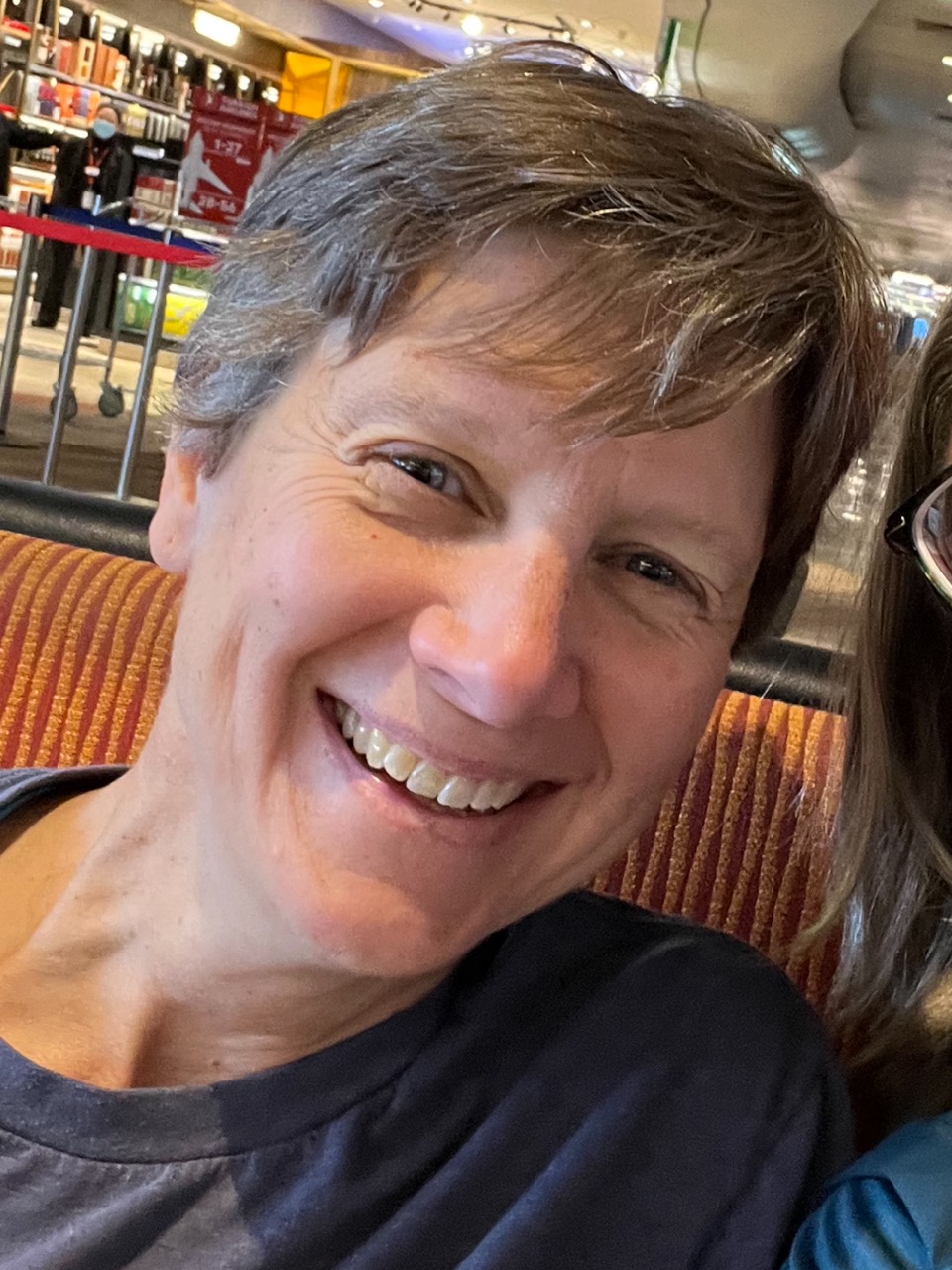
Contact via email at mletarte [at] cwmars [dot] org
What is it about ARSL's mission, vision, and/or organizational values that makes you want to run for a Board position?
I won a scholarship to my first ARSL conference. On my first day, the first person I met was the president. His energy and enthusiasm for the organization was infectious. I've attended various on-line forums, including the Northeast Regional Forum and the Directors/Managers' forum. Whatever the issues we're discussing, the support and empathy from the members is like nowhere else. Small and rural libraries have similar, but completely different, challenges from large systems and having this organization, which caters specifically to us, is invaluable. I value the camaraderie and the general welcoming atmosphere of the conference and each forum I've attended. The association staff continually expands and communicates grant opportunities for librarians from small libraries, many of whom don't have the budget to attend conferences. That really impresses me.
Prior to running for this election, how have you engaged with ARSL?
I attended the conference in Springfield; member of the scholarship committee for a year; Participated in directors & managers forum; Participated in the Northeast forum
How has your experience working in rural or small libraries prepared you to serve as a leader of ARSL?
Like with many libraries, there is never enough money or enough staff to cover the hours. As the director, I have filled in for every job at the library, including custodian and EMS. (Not that we have EMS or a dedicated custodian at the library). I have dealt with budget issues, human resources issues, diplomacy, and building challenges. I deal with people on different boards and committee—and there are committees for everything in town—to get projects done. And sometimes they don't.
Please describe your leadership experience outside of ARSL. How have these roles prepared you for this position?
I’m on the awards committee for New England Library Association. I was also on the ALA scholarship committee for a year. I was on the Executive Committee of our library network during COVID. I was on the Continuing Education committee for the Mass Library System for several years. For the past twelve months, I’ve been leading the charge in town for new or renovated library, after being awarded a grant from the state. I’ve presented the project multiple times and participated in many meetings about the project. Unfortunately the project was voted down at Town Meeting and I find myself with more time and ready to participate.
ARSL is dedicated to promoting inclusion, diversity, equity, and accessibility (IDEA) within the profession and our communities. How do you see yourself contributing to those goals as an organizational leader?
I believe that we should encourage more people from diverse backgrounds to join the profession, either as librarians or paraprofessionals. Our town isn’t lily white, our library staff should attempt to reflect the community we represent. As a leader, I think it’s my responsibility to encourage librarians to join and participate as much as they want, especially people who have been traditionally underrepresented. I would use the Northeast forum as a way to invite people to participate more. I've had a similar discussion in scholarship committee--about considering diversity in awarding scholarships.
Aside from what you've listed above, are there any beneficial skills or experience that you would bring to the position?
Before I was a librarian, I worked for a trade association, first in communications, then in technology. I understand the challenges of a trade association and the work it takes to procure sponsorships and hold conferences and meetings. I know how much they depend on participation from members to get things done.
Can you tell us a few things about yourself outside of your work life?
I try to spend at least an hour outside during the day, whether through gardening, hiking, biking, or just sitting on the patio, sometimes watching birds. I especially enjoy this with my daughter and her dog. After hours, I like to social dance and catch up on past Doctor Who episodes.
↑ Back to Regional Representative, Northeast
Erica Moses
Library Director, Belmont Free Library, Belmont, NY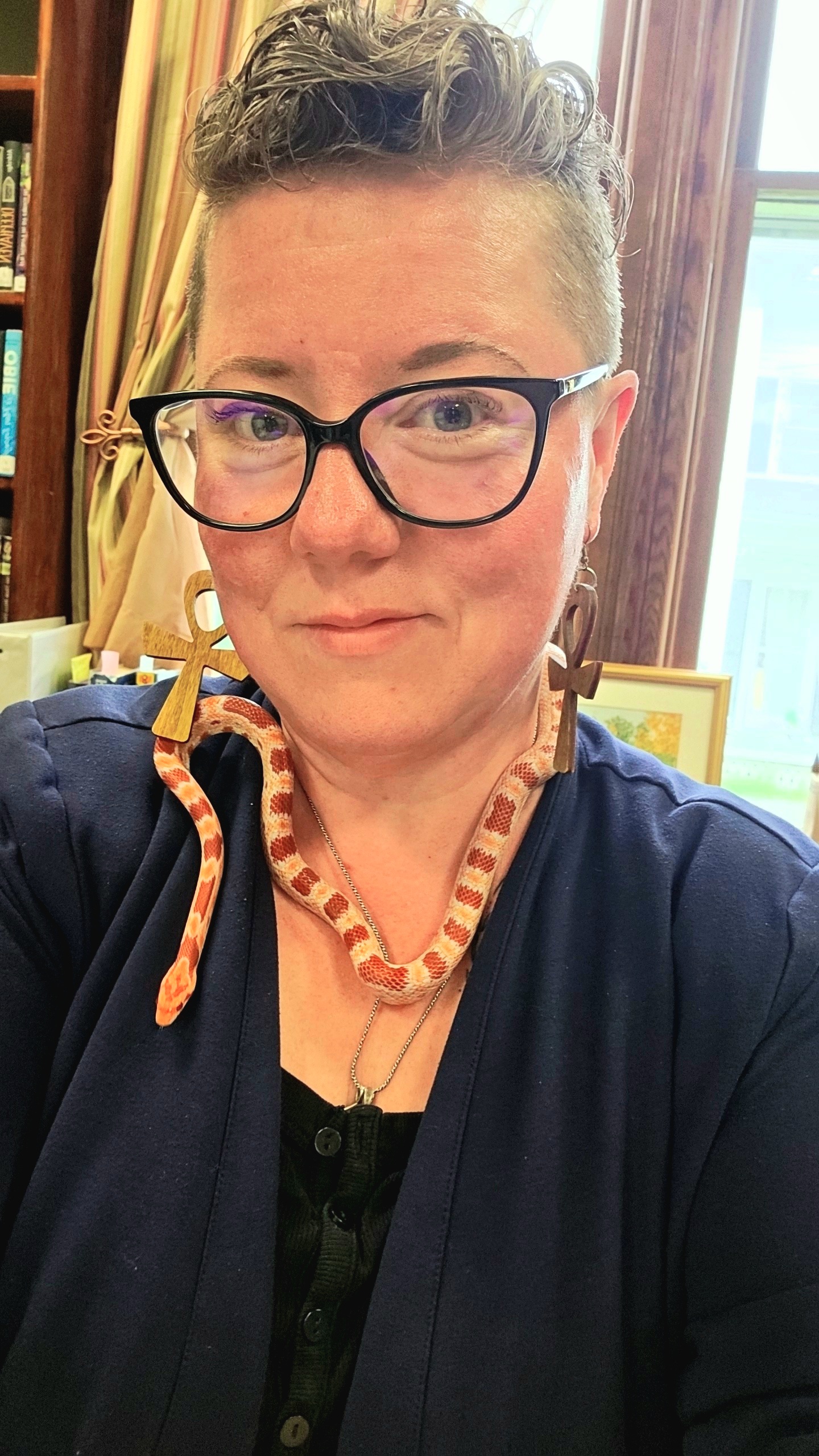
Contact via email at mosese [at] stls [dot] org
What is it about ARSL's mission, vision, and/or organizational values that makes you want to run for a Board position?
I found ARSL after I had been a solo librarian for three years. It was the same time I started becoming more involved in our state’s library association. Feeling underrepresented, lost in a sea of what I couldn’t provide for my community and starting to deal with burnout, finding ARSL helped to turn my library journey around. It is because of ARSL’s dedication to rural and small libraries, their determination to make our voices heard, to making opportunities more accessible, not only saying that they support small and rural libraries but striving to continue supporting even the smallest of us. ARSL does something that most state and larger library associations miss, a big part of that is making sure we are given a voice, making sure that our unique challenges are addressed, making sure we are not simply an afterthought in a profession that too often defaults to the resources and realities of larger institutions. ARSL reminded me that the work I do in a small rural library matters, not in spite of its scale, but because of it. I want to serve on the Board because I know what it means to find this community when you're running on empty, and I want to be part of making sure the next solo librarian who needs it finds it too.
Prior to running for this election, how have you engaged with ARSL?
After going to my first conference in Massachusetts, I was hooked. I won the 2025 Solo Librarian of the year award from ARSL, presented during the Albuquerque conference, then went on to join the advocacy committee and volunteer to be a mentor through ARSL’s mentoring program. I was also honored to be chosen as an advisor for Overcoming Obstacles: Enhancing Access to Professional Development for Solo Librarians.
How has your experience working in rural or small libraries prepared you to serve as a leader of ARSL?
I have spent almost 6 years as a library director, serving in this position in two states, funded in two very different ways. I have been solo, and solo-ish. I have had to justify my library’s very existence to just get a few extra dollars to buy just one more book, and also been in a position where I could speak on behalf of the importance of libraries, without having to attach a monetary ask at the end. I have learned to be more adaptable, that we all face very different challenges, but at the same time we also face a lot of the same challenges. Those experiences taught me that effective advocacy for rural and small libraries requires understanding that there is no single story, that our funding structures, our communities, our staffing realities are all different. But our need for representation, for resources, and for someone in the room who gets it is universal.
Please describe your leadership experience outside of ARSL. How have these roles prepared you for this position?
Most of my leadership experience has come from the work itself. I spent four years as the sole professional staff member, leading programs, advocating for funding, managing community relationships, making tough decisions without a safety net. Beyond that though, I also served as the secretary for the rural and small library roundtable through the Pennsylvania Library Association for two years as well as serving on a few different committees. I also searched out leadership learning opportunities and completed the Directors’ Institute from PaLA’s Academy of Leadership Studies and most currently, I am a part of the North Star cohort which is a yearlong leadership journey provided by the Southern Tier Library System. These experiences, both formal and informal, have shaped how I think about leadership, that it is something you practice and learn from daily, not just a title to have.
ARSL is dedicated to promoting inclusion, diversity, equity, and accessibility (IDEA) within the profession and our communities. How do you see yourself contributing to those goals as an organizational leader?
I grew up in a small town. I live in a different small town. Learning my own biases has been a journey. I still make mistakes, but I strive to live the meaning behind “Libraries are for Everyone.” It is easy to make a statement saying that I am welcoming to everyone and treat everyone respectfully, but I think it is even more important to work on realizing where your own implicit biases are, and to listen to every voice in the room, not just the loudest one. Knowing that inclusion and accessibility in my rural community is going to look completely different than it does for an urban library, doesn’t mean the same challenges don’t exist. The same thing can be applied to ARSL, we are from all over the country and we all see the same issues but in different ways. Being able to listen and know that just because my experience isn’t the same as someone else’s doesn’t make their experience any less valid is what I would bring to every conversation.
Aside from what you've listed above, are there any beneficial skills or experience that you would bring to the position?
I have ADHD, which I have learned to use as an asset rather than a liability. It means I can make unexpected connections, pursue ideas with intensity, and often find creative solutions that more linear thinkers might miss. Combined with six years of solo librarianship where resourcefulness isn't optional, I have developed skills in grant writing, creative programming, and finding the angle that makes something possible when the straightforward path isn't available. I also have a high tolerance for ambiguity and a tendency to ask "why not" before accepting "we can't."
Can you tell us a few things about yourself outside of your work life?
I am always in the kitchen. It is my happy place and the place I often go to decompress. Cooking for someone is an expression of love to me.
↑ Back to Regional Representative, Northeast
Kristin Smith
Director, Scottdale Public Library, Scottdale, PA
Contact via email at kristin [dot] smith [at] wclibraries [dot] org
What is it about ARSL's mission, vision, and/or organizational values that makes you want to run for a Board position?
ARSL's mission, vision, and values align closely with both my professional experience and my passion for serving rural communities through libraries. Throughout my career, I have seen firsthand the unique challenges and opportunities that rural and small libraries face, and I believe ARSL provides an invaluable source of support, advocacy, education, and connection for library professionals working in these environments. What draws me to a Board position is the opportunity to help ensure that ARSL continues to be a welcoming and supportive community where library workers can find practical solutions, innovative ideas, meaningful networking opportunities, and encouragement from colleagues who understand the realities of rural library service. ARSL has consistently demonstrated its dedication to empowering libraries of all sizes, and I would be honored to help guide the organization as it continues to grow and serve its members. I am particularly passionate about fostering leadership development, strengthening member engagement, and ensuring that rural and small libraries have a strong voice within the broader library profession. Serving on the Board would allow me to give back to an organization that has given so much to me while helping advance its mission for current and future members.
Prior to running for this election, how have you engaged with ARSL?
My involvement with ARSL has had a significant impact on my own professional growth. Through the Leadership Institute, I gained valuable skills and insights that strengthened my ability to lead within my library and community. As Chair of the Governance Committee, I have had the opportunity to contribute to the organization's success while developing a deeper understanding of ARSL's commitment to inclusive leadership, member engagement, and organizational excellence. I have also taken part in the International meetings with fellow librarians from Bangladesh. ARLS has definitely been a big part of my professional career and will continue to be in the future.
How has your experience working in rural or small libraries prepared you to serve as a leader of ARSL?
My experience working in a rural library has given me a deep understanding of both the challenges and the strengths that rural and small libraries face. In a small library setting, staff, which can often just be one person, often wear many hats, balancing public service, programming, collection development, technology support, community outreach, administration, and even cleaning and maintenance with limited resources. This environment has taught me to be adaptable, collaborative, creative, and solutions-oriented which is so important especially in leadership positions. No task is too small and no task is too big. Working together, collaboratively, is key. Additionally, libraries in small and rural communities have become community hubs. I have seen how libraries serve as centers for education, workforce development, social connection, and lifelong learning. Understanding the unique needs of rural residents has helped me develop programs and services that are responsive, practical, and community-driven.
Please describe your leadership experience outside of ARSL. How have these roles prepared you for this position?
Beyond my local library experience, I serve on the board of our local theater, The Geyer Performing Arts Center, serve on the board of the Southmoreland Education Foundation, am a member of the Chamber of Commerce and served four years on the Southmoreland School Board. I also volunteer at my church and have taken leadership roles on numerous mission trips. These experiences have allowed me to work closely with others with the ultimate goal of helping those around us.
ARSL is dedicated to promoting inclusion, diversity, equity, and accessibility (IDEA) within the profession and our communities. How do you see yourself contributing to those goals as an organizational leader?
As an organizational leader, I believe promoting inclusion, diversity, equity, and accessibility begins with listening to and valuing the experiences of others. Rural and small libraries serve communities with diverse backgrounds, perspectives, abilities, and needs, and it is important that our profession reflects and responds to that diversity in meaningful ways.Throughout my career, I have worked to create welcoming library spaces where all community members feel respected, represented, and supported. This includes developing programs and services that are accessible to a wide range of audiences and building partnerships with community organizations. I have also participated in professional development opportunities, including Project R.E.A.D.Y., which helped deepen my understanding of equity, diversity, and inclusion within library services.As a leader within ARSL, I would contribute by encouraging diverse voices and perspectives in conversations and decision-making processes, supporting equitable access to professional development and leadership opportunities, and helping ensure that ARSL's programs, resources, and governance structures are welcoming and accessible to all members. I recognize that inclusion is an ongoing process that requires humility, learning, and intentional action.
Aside from what you've listed above, are there any beneficial skills or experience that you would bring to the position?
I have served on numerous nonprofit and community boards and committees throughout my career, which has given me experience in governance, collaboration, and organizational leadership. These roles have strengthened my ability to work effectively with diverse stakeholders, build consensus, and navigate complex challenges while keeping the organization's mission at the forefront.My educational background in psychology, library and information science, and human services counseling has further shaped my leadership approach. It has provided me with a strong foundation in communication, relationship-building, organizational dynamics, and understanding the needs of individuals and communities. I believe these skills help me lead with empathy, professionalism, and a commitment to serving others.
Can you tell us a few things about yourself outside of your work life?
Outside of my professional life, I enjoy spending time with my family and staying involved in my community. I have three children, ages 21, 18 and 17. I am also a new grandma! Family is a central part of my life. I value opportunities to connect with others, whether through community events, volunteering, or simply spending time with friends and loved ones.I am also passionate about personal growth and lifelong learning. Recently, I completed a Master's degree in Human Services Counseling with a focus on Crisis Intervention and Trauma, which reflects my interest in understanding and supporting people through life's challenges. I enjoy reading, learning about leadership and community development, and finding ways to apply those lessons both personally and professionally.Faith and service are also important to me. I enjoy being involved in my church and supporting efforts that strengthen and serve the community. Whether through my volunteer work, community involvement, or professional service, I am motivated by a desire to help others and make a positive difference where I live and work.When I do find free time, I enjoy reading, playing the piano, and traveling.
↑ Back to Regional Representative, Northeast
Kim Keith withdrew her candidacy for ARSL 2027 Northeast Regional Representative on Saturday, 7/11/26.
Regional Representative, South
Susan Craven
Branch Manager-Assistant Director of Library System, Davidson County Public Library - Denton Public Library, Denton, NC
Contact via email at susan [dot] craven [at] davidsoncountync [dot] gov
What is it about ARSL's mission, vision, and/or organizational values that makes you want to run for a Board position?
I am running for a position on the ARSL board because I feel strongly about the importance of the organization. ARSL is the first and only of its kind, supporting rural and small libraries. The organization truly works toward advocating the importance of smaller libraries, proving that we CAN make a difference in our small community. In past years, I have been able to use ARSL for professional development (workshops, webinars), networking with similar libraries, and every time I have interacted with ARSL, I have come out feeling stronger and bigger, despite our small size. One of the values I really appreciate about the association is Professionalism. Because our communities are so small, everyone plays a part to connect us in some way to our community. In a small community, that is important – from the solo librarian to the experienced director with the degree or the part time staff with a high school diploma, all are important. ARSL sees the value in how each individual can play a role in their service to their community.
Prior to running for this election, how have you engaged with ARSL?
Prior to running for this election, I have been to a few ARSL conferences - one of my favorite being when I was able to hear Craig Johnson speak about writing the Longmire series (sigh). I have also "attended" various online TRAIN workshops and I am currently on the conference committee for this year’s ARSL conference, serving as Promotion Co-Coordinator.
How has your experience working in rural or small libraries prepared you to serve as a leader of ARSL?
I have worked in a rural library system for 31 years. Each one of our libraries is separate and different in not only their communities but in the culture and their needs. I believe this to be true of most library systems. I can appreciate the fact that often, libraries are working on a shoestring budget and partnerships with local businesses are crucial in order to maintain the programming needed. I also recognize the fact that libraries in small towns are often the hub of the community. We are the entertainment (crafts, movies), the doctor/dentist (medical/dental buses), and much more. I understand the importance of these libraries and how difficult it can be to operate and maintain them. ARSL recognizes not only the needs of the small library, but also the importance of them. In my experience, the organization is there to help empower us as a small library community, offering not only resources, but support. Because I have the experience, I could, as a member of the ARSL board, help to advocate for those small libraries and I could help create rigorous programming for professional development and to help make a bigger impact on a smaller library.
Please describe your leadership experience outside of ARSL. How have these roles prepared you for this position?
I have had many roles in the library world. I began as a Smart Start worker, being paid with grant money. I quickly moved up to Acquisitions, then was hired as our Technical Services manager where I stayed for about 15 years. During that time, we joined the North Carolina Consortium, our Cardinal system. In my department, I managed a staff of 6. Once we joined the consortium, we had to re-work the department, continuing to purchase, catalog and send out library items as well as creating a system for bringing in and mailing materials throughout North Carolina. In 2019, I was hired as the assistant library director for our system, with my branch location at one of our smallest sites. Then covid hit - what a learning experience that was! Having started at the bottom and working my way up, I am now able to see all position levels and what makes each important to the success of the library.
ARSL is dedicated to promoting inclusion, diversity, equity, and accessibility (IDEA) within the profession and our communities. How do you see yourself contributing to those goals as an organizational leader?
I have always promoted inclusion, diversity, equity and accessibility in all my positions in the library field as well as in my teaching career. I believe the more diversity we have, the bigger and broader voice we have. As a leader in our library system, we constantly evaluate and re-evaluate our policies, questioning parts to make sure that everyone is included in the policy. I would help continue that idea in ARSL, as I believe the association probably does the same thing. As a branch manager and a store owner, I feel that it's very important for everyone to have a voice and no one's voice is left unheard. This builds a stronger team and a better system. I also feel that lifting everyone up to their highest potential is a priority, regardless of anything that might impede on this somewhere else (special need, educational or socio-economic background, etc). I would carry this over into ARSL.
Aside from what you've listed above, are there any beneficial skills or experience that you would bring to the position?
I have been on many different boards in my career: I am currently the vice chair on our town Parks and Recreation Board as well as the vice president on our high school band boosters board and the secretary for our local swim club board. I was the chair for the county government United Way committee for 10 years and many years ago I served as part of the marketing committee for NCLA (North Carolina Library Association). I have served on many different kinds of boards, but all strived to make its' organization better so that it serves the community or the group in the very best way. My experience is diverse and helps me to see how the pieces of a small community fit together and how each of these things support each other. I believe the ARSL board in the same ways strives to be the very best so that it will make the biggest impact on the people involved.
Can you tell us a few things about yourself outside of your work life?
Well, in my past life I was a rock star and a teacher. I own a very small bakery that is only open a couple days a week, but is perfect for our small town (we like to call it Mayberry). I am very dedicated to sustainable living and right now my passion is finding a way to grow things in a changing climate with less and less water. When I grow up, I'd like to own a bigger piece of property and create a blue zone community.
↑ Back to Regional Representative, South
Jeff Gurnee
Regional Library Consultant, Kentucky Department for Libraries & Archives, Frankfort, KY
Contact via email at jeff [dot] gurnee [at] ky [dot] gov
What is it about ARSL's mission, vision, and/or organizational values that makes you want to run for a Board position?
Building strong communities is a mission statement that I can fully support. In my prior work in public libraries and my current role as a library consultant for the state of Kentucky, I strive to form connections with my organization and our stakeholders. All libraries strive to strengthen their communities, but many rural libraries must take a more active role due to the limited time and resources of other community organizations.All the six values are important, but the ones that resonate with me the most are professionalism and collaboration. Many rural library staff may not have the initial education or professional development opportunities that a larger area may have, but they are still serving their communities every day in a professional and courteous manner. I appreciate the practical trainings that ARSL offers that allow staff members to improve their skills. I have also witnessed on many occasions the innovative ways that rural libraries offer materials, services, and programs to their communities. ARSL having a focus on collaboration allows these innovators to share their successes with their peers to adapt to their own community.
Prior to running for this election, how have you engaged with ARSL?
In my public library experience, I worked for a system that could not properly be considered rural or small. Since I have joined the KY Department for Libraries and Archives (KDLA), however, I have worked with dozens of rural and small libraries. I have seen how ARSL membership has benefited these members. They gain valuable experience from the ARSL TRAIN opportunities and form connections with their peers at the annual conference.
How has your experience working in rural or small libraries prepared you to serve as a leader of ARSL?
Since joining KDLA, I have worked directly with 53 of the 120 library systems in KY. 34 of those systems are in counties of populations of 25,000 or under. I have assisted these libraries with every facet of the operation: policy development, personnel issues, programming development, and staying compliant with all state filing requirements. In early 2026, I worked with the staff at the Chief Officers of State Library Associations to develop a group for state library employees that work with rural libraries. We have a list serve and community page to collaborate and share. We also meet monthly and discuss how to best serve these populations and to share resources.
Please describe your leadership experience outside of ARSL. How have these roles prepared you for this position?
During a period of transition at my last public library, I effectively managed a staff of 20 for several months. I was the President of an organization while attending graduate school at the University of Kentucky that provided books and literacy programs for children in a historically underprivileged area. As stated previously, I lead a group of state library workers that are focused on rural libraries. Although these are all examples of leadership, they have all allowed me opportunities to collaborate with others to provide a superior service. They all required me to take in information from a variety of stakeholders and distill that down to find ways to best serve the related communities.
ARSL is dedicated to promoting inclusion, diversity, equity, and accessibility (IDEA) within the profession and our communities. How do you see yourself contributing to those goals as an organizational leader?
I believe that the library community is full of dedicated individuals who try their best to serve their communities. Although I have a plethora of experience with libraries in unique communities, I realize that it is limited to one state of the country. I also realize that we are all a product of our experiences and immutable characteristics, so the way that I walk through the library world is different than someone else. I truly believe that libraries are for all, and in many rural libraries, they are the only place in their community that is open and available without payment or membership. I would seek out and amplify voices other than my own to help provide these institutions multi-faceted support to best serve their communities.
Aside from what you've listed above, are there any beneficial skills or experience that you would bring to the position?
In my current role, I work with dozens of library directors, hundreds of board members, and thousands of library staff. I am able to navigate these disparate groups by actively listening to their questions and concerns with patience and a good sense of humor. I have spent time working in nearly every role in a public library, so I am able to speak from a place of knowledge.
Can you tell us a few things about yourself outside of your work life?
I would say nothing is too exciting, but that doesn’t mean that I still don’t enjoy it. I enjoy watching sports, reading (bold for a librarian to admit,) exercising, and playing pub trivia with my friends. I live in Kentucky with my wife and two very spoiled dogs: Giles and Willow. Yes, they are both named after the characters from Buffy the Vampire Slayer.
↑ Back to Regional Representative, South
Julie Hendrix
 Director, Rowan County Public Library, Morehead, KY Director, Rowan County Public Library, Morehead, KY
Contact via email at director [at] rowancountylibrary [dot] org
What is it about ARSL's mission, vision, and/or organizational values that makes you want to run for a Board position?
ARSL's mission and values resonate with me because they recognize the vital role rural and small libraries play in their communities. Throughout my career, I have seen firsthand how libraries serve as centers for education, connection, technology access, workforce development, and community support. Rural libraries often face unique challenges, and I appreciate that ARSL advocates specifically for our needs while providing resources and opportunities that help us succeed.What inspires me most is ARSL's commitment to collaboration, inclusion, and strengthening libraries through shared knowledge and support. As someone who entered the library profession with no prior experience, I benefited greatly from the guidance and community ARSL provided. The organization helped me grow as a library leader, and I want to help ensure that same support is available to others.I am interested in serving on the Board because I believe in giving back to the profession that has given so much to me. My experience leading a library through growth, building a staff that reflects our community, and understanding the day-to-day realities of rural library service would allow me to contribute meaningfully to ARSL's future. I would be honored to help advance the organization's mission and support rural and small libraries across the country.
Prior to running for this election, how have you engaged with ARSL?
My engagement with ARSL began when I started my first library position during the COVID shutdown. I entered the profession with no prior library experience, and because in-person networking and training opportunities were limited, ARSL quickly became my go-to resource for professional development, practical guidance, and connection with other rural library professionals.Through ARSL's webinars, online resources, and member discussions, I found answers to challenges I was facing as a new library director and gained valuable insight from colleagues who understood the realities of working in rural libraries. The organization helped me build confidence in my role and provided a sense of community during an especially challenging time for libraries.As I have grown professionally, my appreciation for ARSL has continued to grow. This year, I am excited to attend my first in-person ARSL conference, where I look forward to strengthening relationships with fellow members, learning from library leaders across the country, and becoming even more involved in the organization. My journey from a new library employee seeking guidance to a leader seeking to give back to the profession is one of the reasons I am interested in serving ARSL today.I was in awe of all the professional I'm able to interact with in ARSL. This encouraged me to earn my Library & Information Science degree from Drexel completed March 2026
How has your experience working in rural or small libraries prepared you to serve as a leader of ARSL?
My experience working in rural and small libraries has prepared me well to serve as a leader of ARSL because I understand both the opportunities and challenges these libraries face. I began my career in a library with only five employees and have since led a library with a staff of twenty-five. That growth has given me a unique perspective on how libraries evolve while still maintaining their close connection to the communities they serve.Throughout my career, I have worked in and learned every position within the library. This hands-on experience has given me a deep appreciation for the work performed at all levels of library service and has helped me make informed decisions as a leader. It has also taught me the importance of collaboration, flexibility, and supporting staff as they balance many responsibilities.As my library organization changed, I learned how to lead teams with diverse personalities, strengths, and perspectives. Managing larger staffs requires listening, building consensus, and creating an environment where people feel respected and empowered to contribute. These skills have helped me navigate challenges, strengthen relationships, and keep our focus on serving our community.Rural libraries are often asked to do more with limited resources, and my experience has taught me how to be creative, adaptable, and community-focused. I believe these experiences would allow me to represent ARSL members effectively and contribute to the organization's mission of supporting and advocating for rural and small libraries across the country.
Please describe your leadership experience outside of ARSL. How have these roles prepared you for this position?
Kentucky has paths to leadership that I have been proud to hold certificates from. I'm a Bright graduate "BRIGHT Kentucky is designed to build the capacity of next-generation leaders (average age 21-40) in the Appalachian region of Kentucky to innovate, collaborate, and advance community and economic development. BRIGHT Kentucky engages bright, entrepreneurial minds from all sectors and regions to offer non-partisan, ethical leadership training, expanded networks, and mentors designed especially for residents of the 54 Kentucky counties of the Appalachian Regional Commission (ARC). Since the program launched in 2019, approximately 200 young professionals have graduated from BRIGHT and are making a deeper impact in their communities and benefitting the small and emerging businesses they either own or are employed." By attending this program was encouraged to start a non profit to help individuals to overcome addiction. Every year I nominate another youth to attend Bright and mentor them. Every work experience I've held I have been the key person to hold trusted positions. I take these responsibilities to heart and feel information sharing is key to future growth. I'm also a Kentucky Colonel "the highest honorary title bestowed by the Commonwealth of Kentucky, recognizing individuals for noteworthy accomplishments, community service, and outstanding civil contributions." I earned this with my work in Adult Education helping over 100 students earn a GED certificated in a single year. I'm a fantastic teacher, listener, organizer, and out-of-the-box thinker.
ARSL is dedicated to promoting inclusion, diversity, equity, and accessibility (IDEA) within the profession and our communities. How do you see yourself contributing to those goals as an organizational leader?
I believe libraries are for everyone and should be welcoming spaces where all members of the community feel respected, valued, and represented. As a leader, I strive to ensure that our library reflects the community we serve. One way I have contributed to this goal is by building a staff that is representative of our population, bringing together individuals with different backgrounds, experiences, and perspectives.I also work to foster an inclusive workplace culture where employees feel heard and supported, and where diverse viewpoints are welcomed in decision-making. By maintaining accessible services, listening to community needs, and ensuring that all patrons can see themselves reflected in our staff and programs. With my experience can help advance ARSL's commitment to inclusion, diversity, equity, and accessibility.I view IDEA work as an ongoing responsibility and would continue to advocate for opportunities that make both our profession and our libraries more welcoming and accessible to all.
Aside from what you've listed above, are there any beneficial skills or experience that you would bring to the position?
I completed my Drexel Capstone project by redesigning a local library website to ADA compliance. Sharing the information with my cohort gave feedback that this was an achievable process to following my presentation. That is my skill. I take complicated tasks to easily explained steps.
Can you tell us a few things about yourself outside of your work life?
I am a life-long learner and encourage others to live their best lives. I started my education as a non traditional student earing a degree in human services. I became a GED instructor while earing my degree in Mental Health Counseling. One of my most valued resources I shared with clients is to use their public library. I have serviced on the following boards: church, head start, health department, and advocate. With my recent job change my board responsibilities dissolved leaving me time to focus on library world and outdoor activities. My favorite weekly activity is taking my kayak to a cove to read a good book.
↑ Back to Regional Representative, South
Wendy Johnston
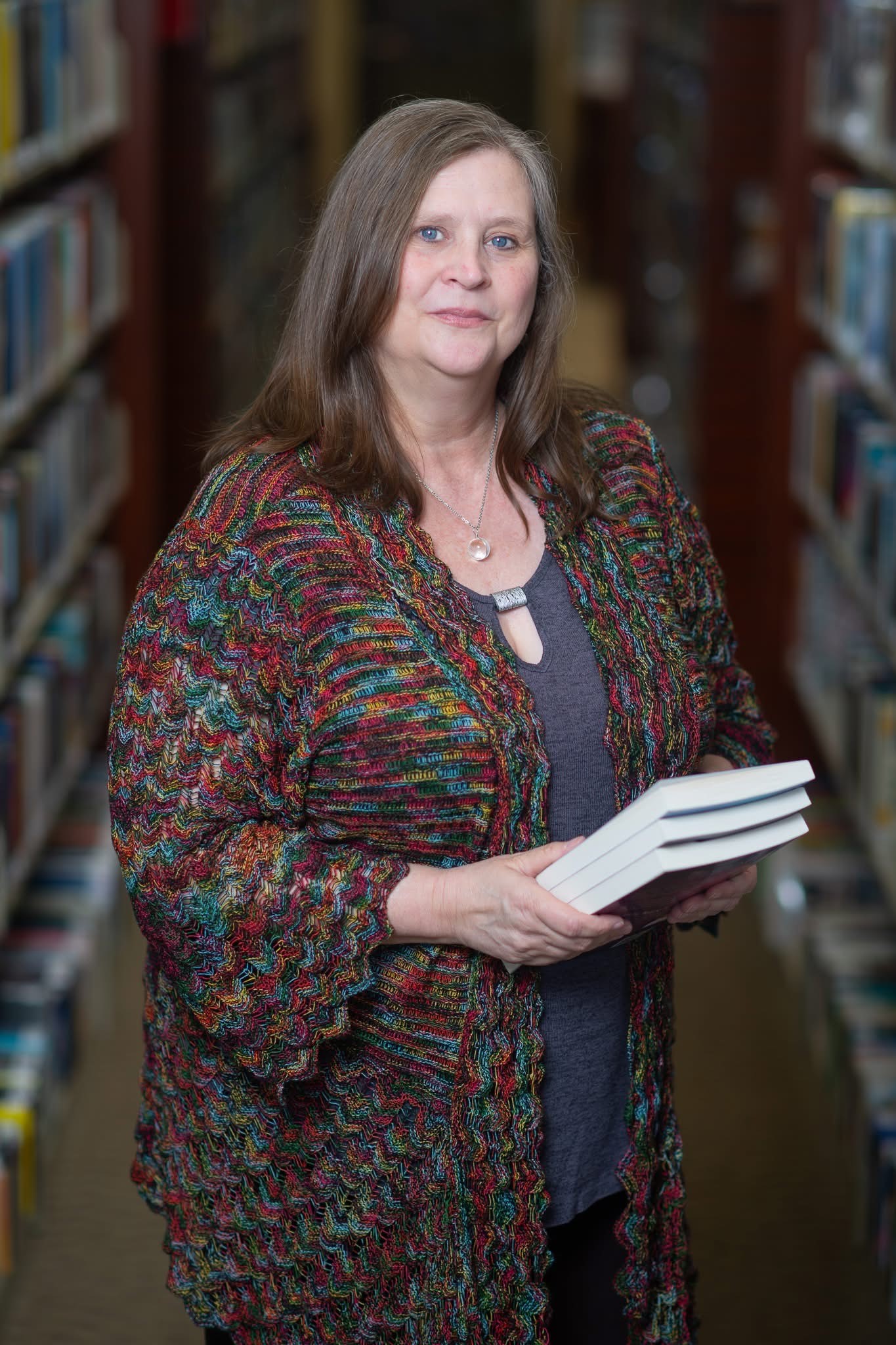 Director, Fleming County Public Library, Flemingsburg, KY Director, Fleming County Public Library, Flemingsburg, KY
Contact via email at wjohnston [at] fleminglibrary [dot] org
What is it about ARSL's mission, vision, and/or organizational values that makes you want to run for a Board position?
I have lived a life committed to the work of small and rural libraries and communities. I believe strongly in lifelong learning and that libraries are the heart of a community, especially in rural areas.
Prior to running for this election, how have you engaged with ARSL?
Last year I was Co-Coordinator for Programming for the ARSL conference and this year I am Co-Chair of the Conference.
How has your experience working in rural or small libraries prepared you to serve as a leader of ARSL?
Leading and working with librarians in small communities has been my life's work. I believe in the power of community and the work I have done for the past 25 years has made me the leader that I am today.
Please describe your leadership experience outside of ARSL. How have these roles prepared you for this position?
I served as the Program Director for the Rural Library Fellowship, a group of 22 rural librarians from across the country working toward higher third grade reading scores and supported by a grant from the IMLS. I have served as a member of the Board of Directors of several different non-profits, community civic organizations and as a 4H Leader. I was awarded the 2006 4H Leader of the year award in West Virginia and am a 4H All-Star.
ARSL is dedicated to promoting inclusion, diversity, equity, and accessibility (IDEA) within the profession and our communities. How do you see yourself contributing to those goals as an organizational leader?
I believe that everyone has the right to free and uncensored information to enhance their lives and communities and that as a library leader I am responsible for being a champion of that cause in my community. I make sure that our collection reflects all members of our community, especially for traditionally underserved populations. Our library programs highlight different cultures, traditions, lifestyles and more so that children know from an early age that all humankind are created equal.
Aside from what you've listed above, are there any beneficial skills or experience that you would bring to the position?
I am very interested in the culture and traditions of the Appalachia and the southern United States of America and hold an undegraduate degree in History from Berea College. I have been an active member of the Appalachian Studies Association for about 15 years and am not only familiar with but work with library workers from rural libraries in that capacity quite often. I think that this will help me bring more librarians into the work and membership of ARSL.
Can you tell us a few things about yourself outside of your work life?
I have 3 grown children that I mostly homeschooled, two of them hold MFA's in Creative Writing and one is a Doctor of Veterinary Medicine. I have 5 grandchildren with 1 more on the way. My hobbies include collecting Appalachian Literature and writings by authors with ties to the southern Appalachia, selling vintage items online, and writing whenever I can find the quiet time to do so. I have long been an environmental and social activist in Appalachia working to make the communities I was raised in a safer and more nurturing environment for future generations.
↑ Back to Regional Representative, South
Brian Kendall
Community Resources Coordinator, Arkansas River Valley Regional Library System, Clarksville, AR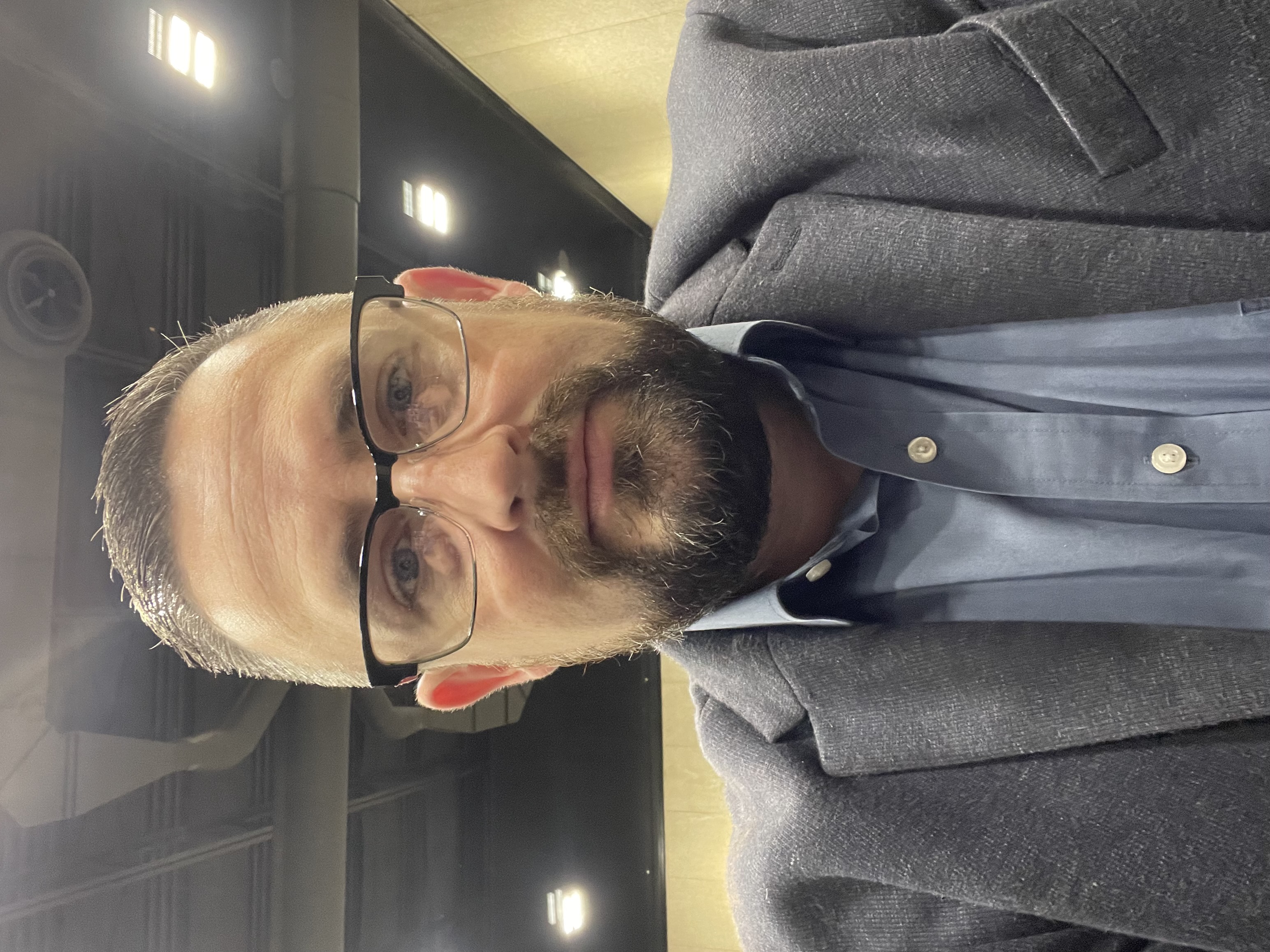
Contact via email at crc [dot] brian [at] arvrls [dot] com
What is it about ARSL's mission, vision, and/or organizational values that makes you want to run for a Board position?
ARSL's mission of empowering rural libraries through leadership, advocacy, professional development, and collaboration strongly resonates with both my professional experience and my commitment to serving communities. Throughout my career, I have seen the important role libraries play in connecting people with information, opportunities, and one another. Rural libraries are often at the heart of their communities, and I am passionate about ensuring they have the support and resources needed to thrive.My participation in the ARSL Leadership Institute was a transformative experience that deepened my appreciation for ARSL's commitment to developing strong leaders within rural librarianship. The program not only enhanced my leadership skills but also connected me with a network of dedicated professionals who share a common goal of strengthening rural libraries and the communities they serve. Through that experience, I gained a greater understanding of the challenges and opportunities facing rural libraries nationwide and the importance of collaborative leadership in addressing them.Serving on the ARSL Board would provide an opportunity to give back to an organization that has invested in my professional growth. I am inspired by ARSL's vision of strong, innovative, and sustainable rural libraries and would be honored to contribute my experience, perspective, and passion to help advance that vision. I believe my background in community engagement, partnership development, and strategic planning would allow me to be an effective advocate for ARSL members while helping the organization continue to grow and meet the evolving needs of rural libraries.
Prior to running for this election, how have you engaged with ARSL?
I participated in the ARSL Leadership Program and currently serve on the Continuing Education Committee, experiences that have strengthened my commitment to ARSL's mission and provided valuable opportunities to contribute to the advancement of rural libraries.
How has your experience working in rural or small libraries prepared you to serve as a leader of ARSL?
Working in rural libraries has given me a practical understanding of what it takes to serve a community with limited resources and big expectations. In a small library, you wear many hats, solve problems, and build strong partnerships to make things happen. Those experiences have taught me to be adaptable, collaborative, and focused on finding solutions that benefit both the library and the community. One of the things I value the most about rural librarianship is the opportunity to make a direct impact. Libraries are often at the center of their communities, supporting education, workforce development, tourism, lifelong learning, and community engagement. Through my work, I have had the opportunity to connect people, organizations, and resources in a way that strengthen the communities we serve. Participating in the ARSL Leadership Program has helped me grow as a leader and has broadened my prospective on the unique needs of rural libraries. Currently, I am serving on the Continuing Education Committee, where I have the honor of working along side some of the most talented individuals in our field. As the ARSL Southern Representative I would bring an understanding of rural communities, a passion for supporting library professionals and the communities they serve, and a commitment to helping ARSL continue on its path of excellence.
Please describe your leadership experience outside of ARSL. How have these roles prepared you for this position?
My leadership experience extends beyond my time working in libraries. I have held many positions of leadership during my time working in public service, government, and in the public sector. Early in my career, I served as a Police Sergeant for a small-town police department and as a Corporal in a county detention facility. These positions required me to supervise staff, make critical decisions under pressure, manage complex situations, and maintain a strong focus on serving the public. I have also led and participated in numerous disaster planning and emergency preparedness initiatives. One of my most significant roles was overseeing the security and disaster preparedness at the Arkansas Department of Human Services. In this role, I was responsible for coordinating planning efforts, developing and maintaining emergency response strategies, collaborating with stakeholders across multiple divisions within the agency, and ensuring the continuity of operations during emergency events. This work along with my law enforcement background required effective communication, strategic thinking, and the ability to bring people together to meet a common goal. I feel that my past experiences in leadership have prepared me to serve as the ARSL Southern Representative by giving me a strong foundation in decision making, risk management, and organizational leadership. Working in these fields have helped me master the art of problem solving. Working in law enforcement and emergency situations require the ability to make decision during high stress situations. I feel this is one of my greatest strengths. If selected as the ARSL Southern Representative, I would bring these skills and apply them to meet and continue the ARSL Mission.
ARSL is dedicated to promoting inclusion, diversity, equity, and accessibility (IDEA) within the profession and our communities. How do you see yourself contributing to those goals as an organizational leader?
This is an area I am particularly passionate about. Recently, I raised a discussion within the Continuing Education Committee about what I believe is an underserved audience in many libraries. In the libraries I serve, I have noticed that programming is often focused on women and children, which is important and valuable. However, there are very few programs specifically designed to engage men and fathers. When I brought this idea forward to several branch managers in my area, I encountered some resistance. That response only reinforced my belief that this is a conversation worth having. Libraries are meant to be welcoming spaces for everyone, and our programming should reflect the diverse interests and needs of all members of our communities. By creating opportunities that intentionally engage fathers and men, we can strengthen family connections, encourage lifelong learning, and bring new patrons into the library. I am equally passionate about ensuring that libraries are reaching non-English-speaking populations. Many individuals and families may not realize that the library is a place for them or may face barriers that make it difficult to access services. I believe libraries should be proactive in developing strategies, partnerships, and outreach efforts that help build trust and connections with these communities. Everyone should feel welcomed, represented, and empowered to take advantage of the resources and opportunities libraries provide. As libraries continue to evolve, I believe it is important that we continually evaluate who we are serving and just as importantly, who we may be unintentionally overlooking. Inclusive libraries are stronger libraries, and I am committed to helping ensure that all members of our communities feel they belong.
Aside from what you've listed above, are there any beneficial skills or experience that you would bring to the position?
Currently, I am working towards my certification as a certified facilitator. I will be graduating in September from the program. I have experience with Esri and Sketchup mapping software.
Can you tell us a few things about yourself outside of your work life?
So since the first of the year, I have developed a passion for geology. I have begun digging and collecting minerals and crystals from all over. Funny enough, this has lead to several branches asking me to display and discuss my collections during story time. Family is very important to me. If I am not working, my kids and I are out looking for rocks, taking trips, or any other mischief we can get into.
↑ Back to Regional Representative, South
Janine Miller
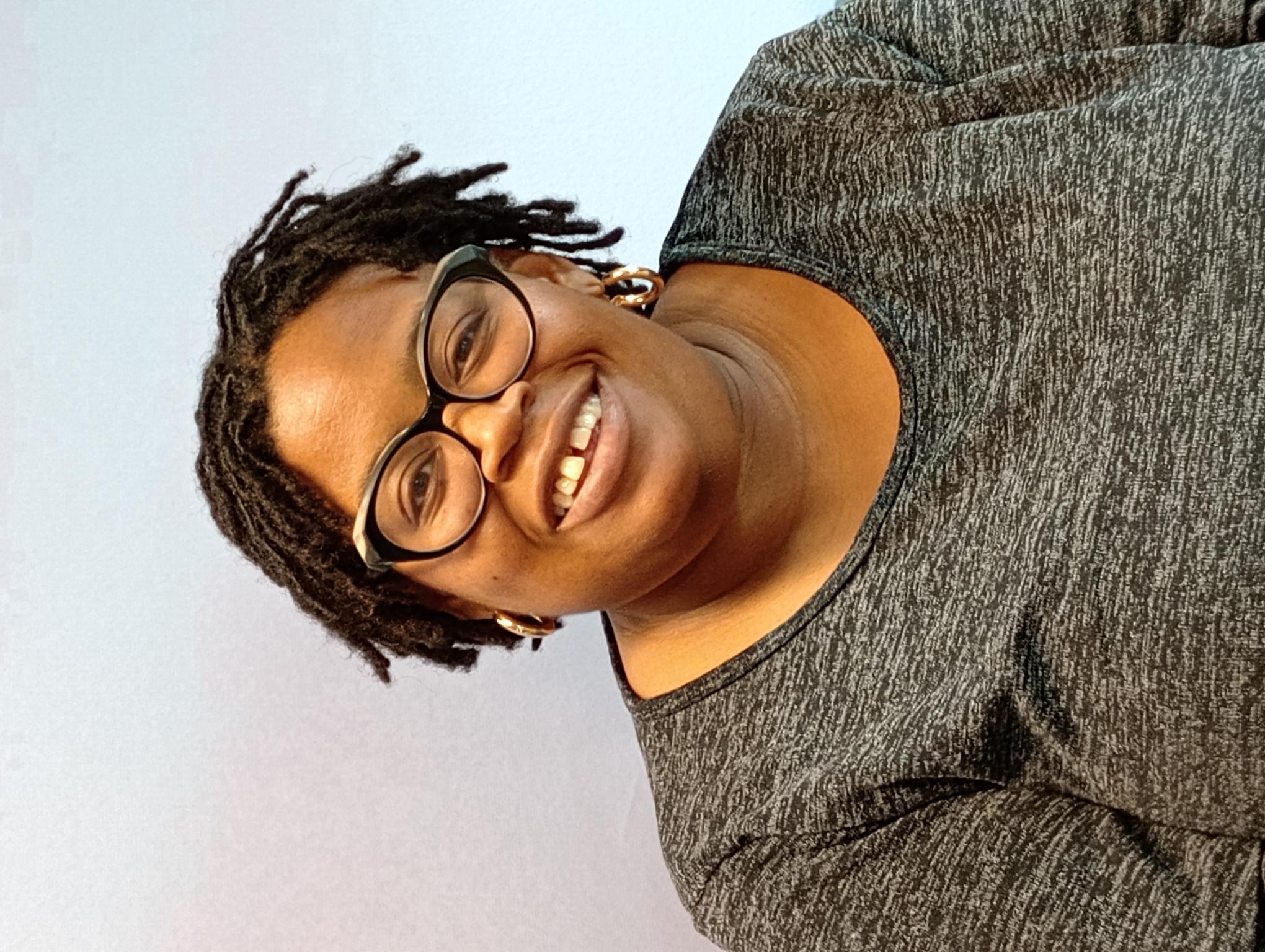 Coordinator of Training & Development, Arkansas State Library, Little Rock, AR Coordinator of Training & Development, Arkansas State Library, Little Rock, AR
Contact via email at jdjmiller311 [at] gmail [dot] com
What is it about ARSL's mission, vision, and/or organizational values that makes you want to run for a Board position?
I want to run for the South Regional Representative to continue further supporting ARSL, it's mission, it's vision, and organizational values for its members. It has been a joy watching the organization grow and continue to grow. I want to run to continue supporting small and rural libraries.
Prior to running for this election, how have you engaged with ARSL?
I have engaged with ARSL in a number of ways throughout the years. I am currently the South Regional Representative, however, in the past I have been a volunteer photographer, Conference Programs Co-Chair, Conference Co-Chair, co-facilitator for Librarians of Color, Advisory Team Member for the Leadership Institute, an ARSL Mentor, and board liaison to the Conference Committee and Marketing/Communications Committee.
How has your experience working in rural or small libraries prepared you to serve as a leader of ARSL?
I grew up in a small and rural community, and use that as a catalyst in the work that I do. I leverage that in conversations I have in my work to highlight that small and rural libraries are the heartbeat of libraries in many communities throughout the US.
Please describe your leadership experience outside of ARSL. How have these roles prepared you for this position?
I have been in a number of leadership roles outside of ARSL. I have been in leadership positions in college, early adulthood, in the community, and amongst peers. I did a leadership development program in my state when I was a branch manager. I am currently a NASA Solar System Ambassador, and working on facilitation certification.
ARSL is dedicated to promoting inclusion, diversity, equity, and accessibility (IDEA) within the profession and our communities. How do you see yourself contributing to those goals as an organizational leader?
I strongly believe that everyone has something to offer to the organization, and that every member's voice and experiences matter. I see myself contributing to those goals by connecting with as many members as possible.
Aside from what you've listed above, are there any beneficial skills or experience that you would bring to the position?
- Strategic planning- Collaborator- Future focused thinking- Learner- Responsibility- Relater- Strategic
Can you tell us a few things about yourself outside of your work life?
Outside of work, I like to hang out with my family. I love going to library programs in my community, traveling, and engaging in self-care.
↑ Back to Regional Representative, South
Anne Reever Osborne
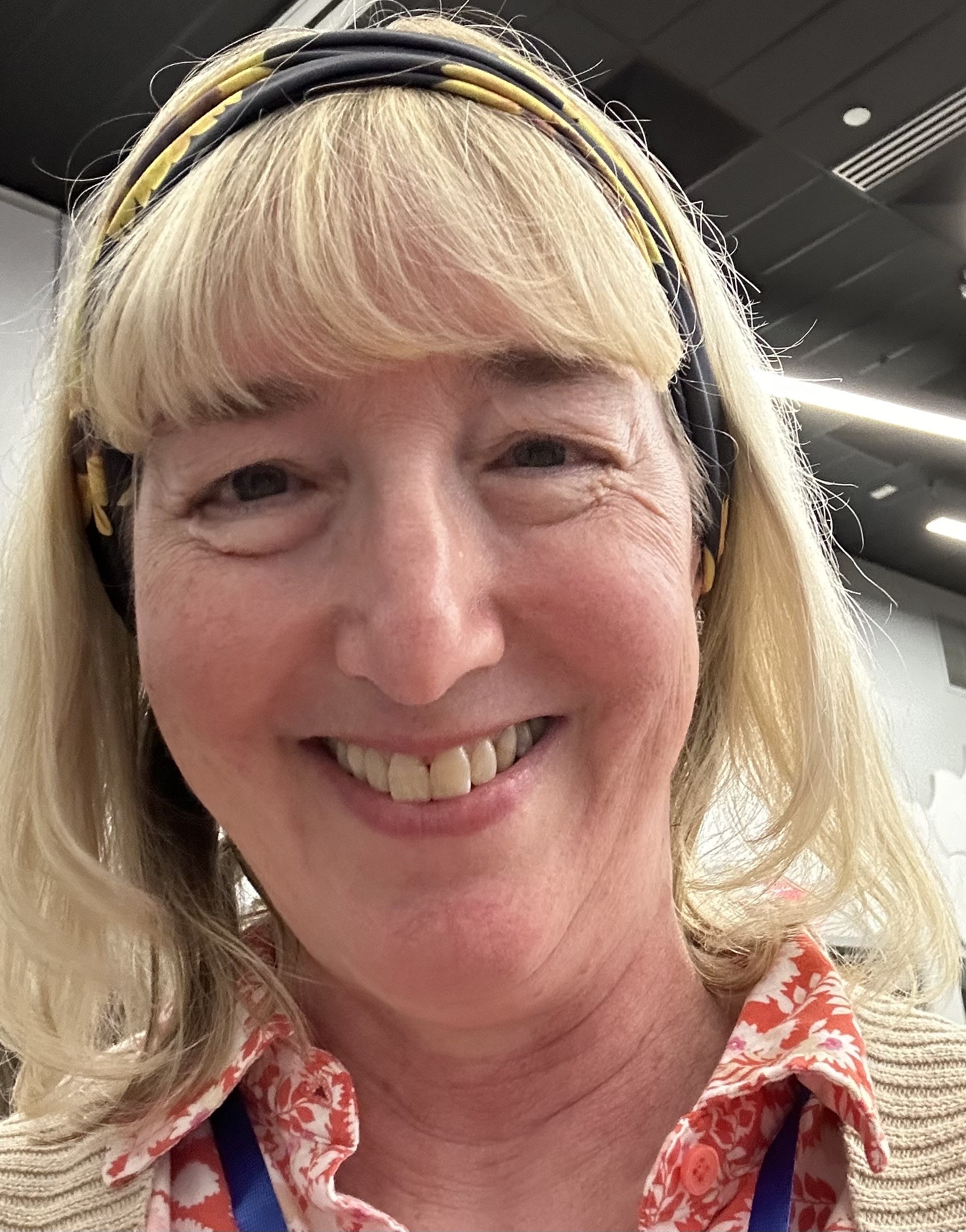 AD/Regional Services Consultant, Buffalo River Regional Library, Columbia, TN AD/Regional Services Consultant, Buffalo River Regional Library, Columbia, TN
Contact via email at anne [dot] osborne [at] tnsos [dot] gov
What is it about ARSL's mission, vision, and/or organizational values that makes you want to run for a Board position?
Positive and meaningful impact. That is what I have experienced as a member of ARSL participating on conference committees, sharing learning opportunities ARSL offers with public libraries and colleagues across Tennessee and seeing how a group of likeminded individuals can grow an organization through grass roots advocacy. ARSL values are my values which I do my best to live out every day in service of libraries and the communities they serve.
Prior to running for this election, how have you engaged with ARSL?
I have served on the ARSL conference committee for 2022 and 2023 as local activities conference co-chair in 2022, I have attended ARSL conferences and volunteered at registration desk and as a room monitor. I have participated in the ARSL Southern Region Focus Group. I currently serve as co-chair of the ARSL Membership Committee.
How has your experience working in rural or small libraries prepared you to serve as a leader of ARSL?
I am very familiar with wearing many hats and being asked to do more with less. I have tackled challenges with creativity and imagination, prerequisites in any small or rural library with limited resources. I have made use of freely available resources, negotiated for better pricing for electronic and physical resources, promoted and strengthened ILL and partnered with schools and businesses to strengthen and provide programs to library users.
Please describe your leadership experience outside of ARSL. How have these roles prepared you for this position?
I currently serve as the Asst Director for Buffalo River Regional Library providing leadership in deslgning and facilitating training for public libraries in my region. I also provide guidance and consulting services to public library boards of trustees and share best practices in the governance, advocacy, and supervision of public libraries. In the past I have been the Project Lead on developing online training tutorials for library staff on topics such as information literacy and leadership.
ARSL is dedicated to promoting inclusion, diversity, equity, and accessibility (IDEA) within the profession and our communities. How do you see yourself contributing to those goals as an organizational leader?
I champion IDEA in all its forms. I especially would like to assist in exploring accessible formats for learning and increased financial assistance to attend conference and other in person events. I will support forums that encourage a diversity of thoughts and relevant professional dialogues, seeking out speakers and training that promote equitable use of resources to engage all library staff from all walks of life across the U.S. reducing barriers to allow participation no matter language or ability.
Aside from what you've listed above, are there any beneficial skills or experience that you would bring to the position?
I am passionate about allowing space for all voices active in the library profession to be heard. I recognize the institutional biases that still exist and must be overcome to allow small and rural libraries to thrive and be supported in their communities.
Can you tell us a few things about yourself outside of your work life?
I have been a librarian my entire professional life (over 30 years). I am mom to a new driver (ack!). I enjoy singing, acting and love the Wizard of Oz fan. I am active in my church as a member of the congregational care committee and choir member. I am also a mentor to current high school seniors who are first generation college students. I am a member of Vox Grata Women's Choir whose mission is to support the work of nonprofits serving and supporting women and children in the Greater Nashville area. I love to travel, hike in the mountains, seek out waterfalls and love chocolate.
↑ Back to Regional Representative, South
David Scott
Director, Warren County-Vicksburg Public Library, Vicksburg, MS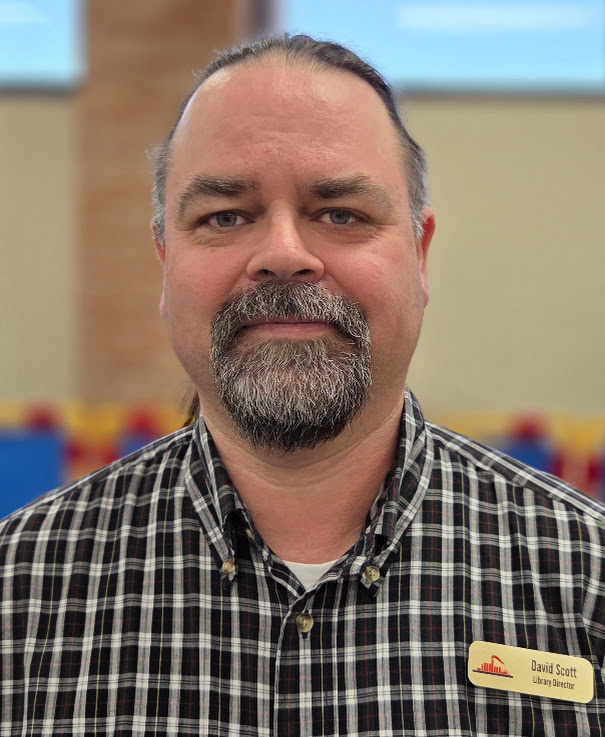
Contact via email at dscott [at] warren [dot] lib [dot] ms [dot] us
What is it about ARSL's mission, vision, and/or organizational values that makes you want to run for a Board position?
I believe that ARSL represents the best of what our profession can be, and what it should strive to be: open to all, representative of all, working for all. These are the same things that I want to be as a librarian, and want to help continue this work going forward.
Prior to running for this election, how have you engaged with ARSL?
I have attended each conference since 2022 in Chattanooga, as well as the 2021 Reno conference virtually. I joined the Marketing and Communications Committee in 2025, and in 2026 was named Co-chair of the committee, a position in which I currently serve. I also regularly attend both the South Region Forums and Administrators and Directors Networking group meetings. In September, I will be part of a team presenting about Makerspaces at this year’s conference in Montgomery.
How has your experience working in rural or small libraries prepared you to serve as a leader of ARSL?
I have been fortunate to wear nearly every librarian hat possible in my time in my library. From reference to cataloging, from programming to budgeting, I have at least some experience almost everywhere. I feel that this will help me relate to any member of ARSL, and as a member of the board, be able to empathize with, understand, and help solve the issues that we all deal with on a daily basis.
Please describe your leadership experience outside of ARSL. How have these roles prepared you for this position?
As the director of my library, I have attempted to ensure that the library maintains a prominent place in our community. This has led to partnerships with several local organizations, including being asked to join our local United Way’s Community Impact Committee that works to alleviate the barriers to success that plague our community. This role has given me the opportunity to speak directly with local and state leaders about library and community issues. I feel that experience will directly translate to my potential to help ARSL lead the way in the public library world.
ARSL is dedicated to promoting inclusion, diversity, equity, and accessibility (IDEA) within the profession and our communities. How do you see yourself contributing to those goals as an organizational leader?
I will work to make sure each voice in ARSL has the opportunity to be heard. I will work toward expanding networking and mentoring opportunities for members, helping to ensure that diverse views, experiences, and needs are shared and that we all have the chance to learn from each other. Additionally, I feel that ARSL is in a good position to help recruit new librarians into the profession that better reflect who we are as a society. We can do this by continuing to work with our state and local organizations and schools to broaden access to librarianship.
Aside from what you've listed above, are there any beneficial skills or experience that you would bring to the position?
I like to think that I am a patient and thoughtful listener, and a creative problem solver. I feel that when serving an organization of the size and scope of ARSL, that those traits would be beneficial.
Can you tell us a few things about yourself outside of your work life?
My hobbies and interests outside of the library world include food/cooking and puzzles and games. I am also an avid fan of football and boxing. Mostly, I enjoy spending time doing everything and nothing with my amazing wife.
↑ Back to Regional Representative, South
Marissa Wilson
Library Director, Parnell Memorial Library, Montevallo, AL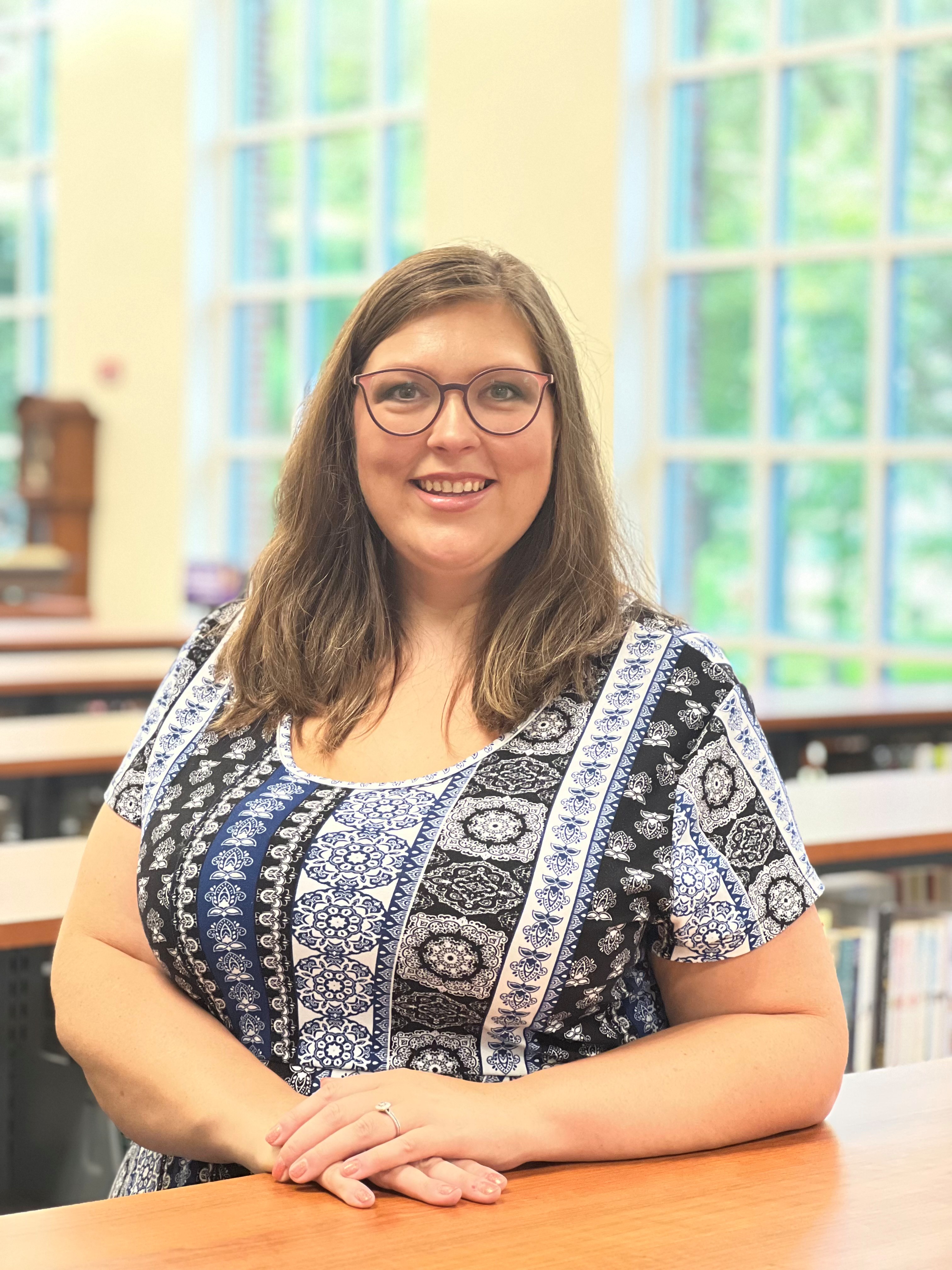
Contact via email at mwilson [at] shelbycounty-al [dot] org
What is it about ARSL's mission, vision, and/or organizational values that makes you want to run for a Board position?
ARSL's mission is very important to me because rural and small libraries are often the heart of their communities. They provide access to information, technology, education, and connection in places where resources can be limited but community impact is so important. ARSL's commitment to supporting, empowering, and advocating for these libraries aligns closely with my professional values and the work I do every day.I am especially inspired by ARSL's focus on collaboration, inclusion, innovation, and member-driven leadership. The organization creates opportunities for library workers to learn from one another, share solutions, and build networks that strengthen services for the people we serve. That spirit of mutual support, I think, is one of ARSL's greatest strengths.I am seeking a Board position because I want to help advance ARSL's vision while ensuring that members from diverse communities and library types continue to have a voice in the organization's future. I would be honored to contribute my experience, listen to member needs, and help ARSL remain a strong advocate and resource for rural and small libraries across the country.
Prior to running for this election, how have you engaged with ARSL?
I became a member of ARSL in 2023, after my previous director left and told me that I "had to join ARSL," and I am so glad I did. I attended my first conference in 2023 in Wichita, KS, after being a library director for less than one month. I learned so much at my first library conference, and my first ARSL conference, and since then, I have used vendors that attended the conference in my own public library, spoken at conferences, advocated to other library friends about ARSL, and even joined the program coordinator volunteer position for this year's conference, especially since it is in my home state of Alabama.
How has your experience working in rural or small libraries prepared you to serve as a leader of ARSL?
My experience working in rural and small libraries has given me firsthand insight into both the opportunities and challenges faced by ARSL members. In environments where staff and budgets are often limited, I have learned to be adaptable, collaborative, and resourceful while balancing a wide range of responsibilities. These experiences have strengthened my ability to listen carefully, identify practical solutions, and make decisions that reflect the realities of small-library operations.Working closely with community members, local partners, and library staff has also reinforced the importance of relationship-building and advocacy. I have seen how libraries serve as essential community anchors and how creative leadership can expand services and strengthen community impact, even with limited resources.Through professional service, networking, and ongoing learning, I have developed a broad understanding of issues affecting rural and small libraries, including workforce development, access to technology, community engagement, and sustainable growth. These experiences have prepared me to contribute thoughtfully to ARSL's leadership, represent member perspectives, and help guide strategic decisions that support libraries of all sizes and circumstances. My goal is to help ensure ARSL remains responsive, inclusive, and focused on the needs of its members.
Please describe your leadership experience outside of ARSL. How have these roles prepared you for this position?
Serving as Vice President of my elementary school's PTO and as Secretary of my local Main Street board has provided valuable leadership experience that complements my work in libraries. In both roles, I have collaborated with diverse stakeholders, including community members, volunteers, local businesses, educators, and civic leaders to support shared goals and strengthen community engagement.As PTO Vice President, I help coordinate initiatives, support fundraising and event planning efforts, facilitate communication, and work with others to address the needs of students, families, and staff. This role has strengthened my skills in collaboration, consensus-building, and volunteer leadership.As Secretary of the Main Street board, I contribute to organizational governance by maintaining records, supporting board operations, and participating in strategic discussions focused on community development and revitalization. This experience has deepened my understanding of nonprofit leadership, board responsibilities, and long-term planning.Together, these roles have reinforced the importance of listening, communication, accountability, and community-centered decision-making. They have prepared me to serve on the ARSL Board by providing practical experience in governance, teamwork, and advocacy while helping me understand how strong organizations can create meaningful impact for the communities they serve.
ARSL is dedicated to promoting inclusion, diversity, equity, and accessibility (IDEA) within the profession and our communities. How do you see yourself contributing to those goals as an organizational leader?
I believe that inclusion, diversity, equity, and accessibility are essential to ensuring that libraries remain welcoming and responsive to all members of their communities. As an organizational leader, I would contribute to these goals by listening to and amplifying a wide range of member perspectives, particularly those from underrepresented communities and library workers whose voices may not always be heard.In my professional and community leadership roles, I have seen how meaningful engagement begins with creating opportunities for participation and ensuring that barriers to access are identified and addressed. Whether those barriers involve geography, technology, resources, physical accessibility, or representation, I believe organizations have a responsibility to work intentionally toward more equitable outcomes.As a member of the ARSL Board, I would support policies, programs, and professional development opportunities that help members better serve diverse populations in their communities. I would also advocate for inclusive decision-making processes and encourage ongoing conversations that help ARSL continue to grow as a welcoming and supportive organization for all members.Rural and small libraries serve communities with a wide range of backgrounds, experiences, and needs. By fostering a culture of respect, accessibility, and belonging, I hope to help ARSL strengthen its commitment to IDEA principles and support members in creating positive, inclusive impacts in their own communities.
Aside from what you've listed above, are there any beneficial skills or experience that you would bring to the position?
I am a recent graduate of the University of Alabama, with my MLIS as well as a Youth Services & Children's literature certificate. While attending, I took a course on Sustainability in Libraries, and recently joined the Sustainable Libraries Initiative, where sustainability in libraries has recently become a passion of mine, especially being a small library. Being a public library director, and being on our local Main Street board, we have collaborated and have hosted several events together to foster literacy and bring the community together, such as Bookfest's and Summer reading kick offs.
Can you tell us a few things about yourself outside of your work life?
I am a wife, to my best friend and husband Nathan of 9 years this year, and we have 4 beautiful children. Ava (12), Colton (7), and twin girls, Charlotte and Caroline (5). We are very active in our community, going to events, ands spending time together as a family. We love being outside, traveling, and being a part of our community. I am a huge extrovert, which is also somewhat comical in a sea of introverted librarians.
↑ Back to Regional Representative, South
|